
While out for a neighborhood walk with my pup, GeeGee, back in 2024, I spotted Scooter Tag, a creative twist on classic tag. The player who was “It” was on foot, while everyone else zipped around on scooters. The goal? For It to tag a scooter-kid by hitting them with a Nerf football. If you were over 6, one hit turned you into It. Under 6? You needed three hits to switch roles.
The kids explained all the rules during a quick break—half of them chugging water, the other half lavishing GeeGee with ear scratches, belly rubs, and neck pets. They also casually mentioned they weren’t supposed to be playing this game. Some parents thought it was too dangerous. One grass-stained boy shrugged it off: “No one ever gets hurt bad—just scraped elbows and stuff.”
Scooter Tag Wrap Up
This is a textbook example of thrilling play—the kind researchers describe as offering just the right dose of challenge, risk, and excitement. I also see it as power play, where kids test their physical skills and embody powerful roles (the chaser with the “weapon,” the evaders dodging like pros). Adults often view this as too violent or risky and step in to stop it. But they don’t need to worry quite so much. Kids crave that thrill, yet they’re remarkably good at calibrating risk to match their comfort level—they’re injury-averse by nature and skilled at dialing the danger just high enough to feel alive, but not overwhelming.
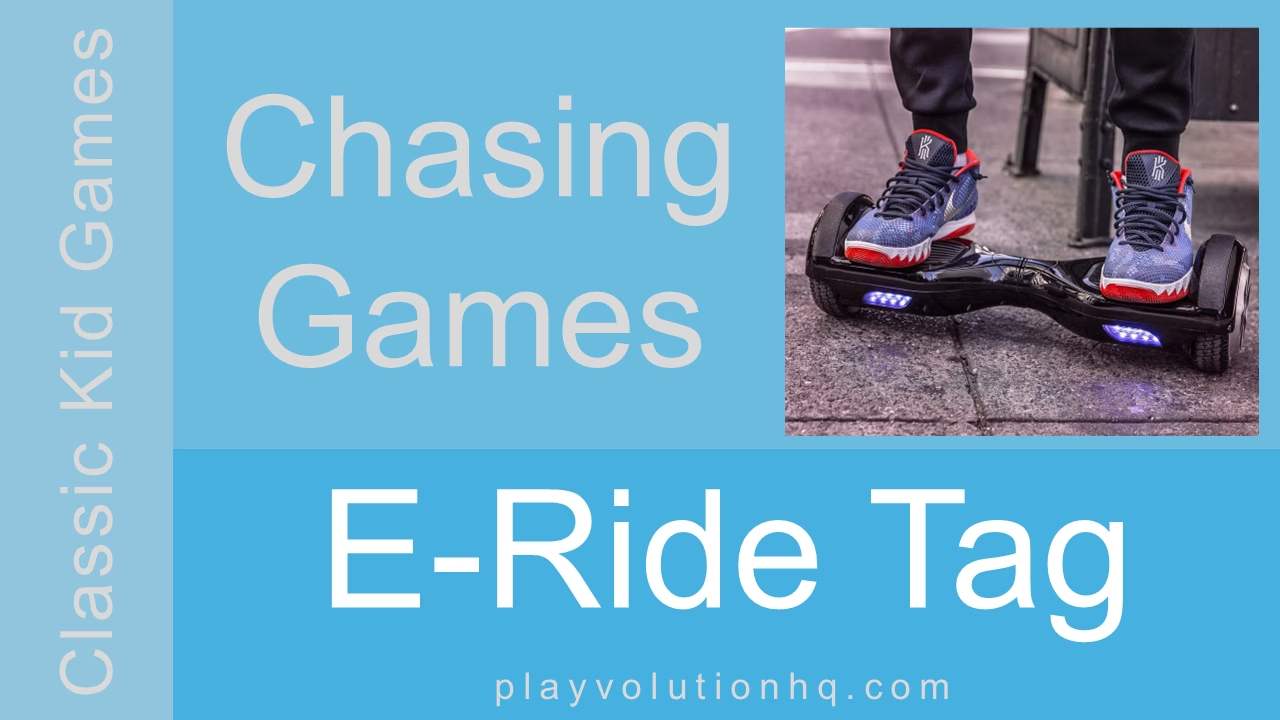
Early in 2006, the need for thrill and the game of tag evolved into what I’m calling E-Ride Tag:
Contribute content to Playvolution HQ
Brought to you by Explorations Early Learning
Browse Trainings

Post Author

Jeff Johnson is an early learning trainer, podcaster, and author who founded Explorations Early Learning, Playvolution HQ, and Play Haven.
Leave a Reply