
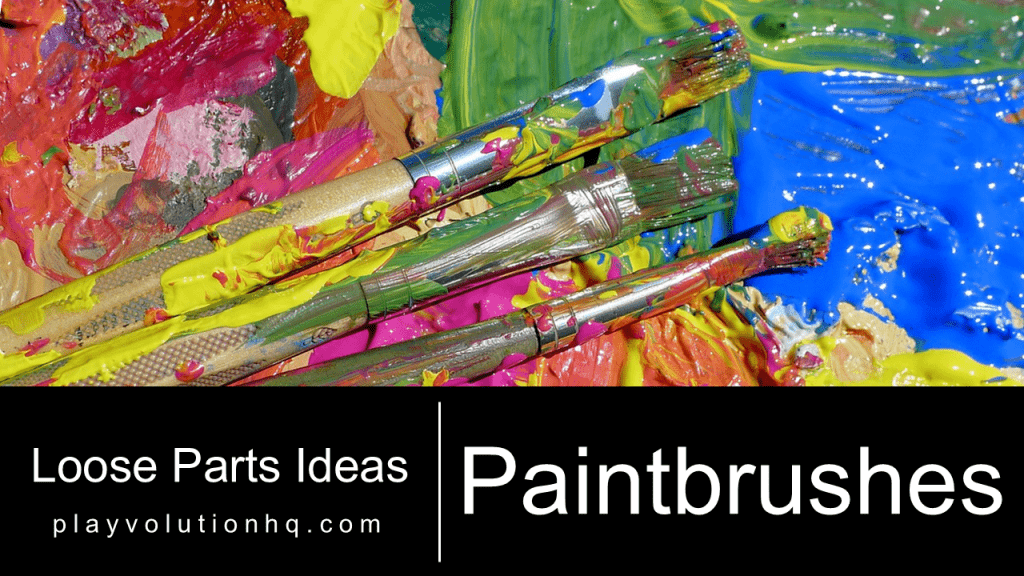
Paintbrushes aren’t automatically loose parts; that’s not how it works. Variability is what makes something a loose part—anything that can (or is allowed to) be used in multiple, open-ended ways.
In too many early learning settings, paintbrushes are far from “loose.” Classroom rules—spoken or unspoken—often boil down to: hold it in your dominant hand, use one color at a time, and stay in the art area. That’s rigid tool use, not loose parts play.
But in more flexible environments, paintbrushes become truly open-ended. It’s fine to:
- Use multiple brushes at once
- Dip into several colors simultaneously
- Grip with the non-dominant hand
- Hold with your mouth
- Grasp between your toes
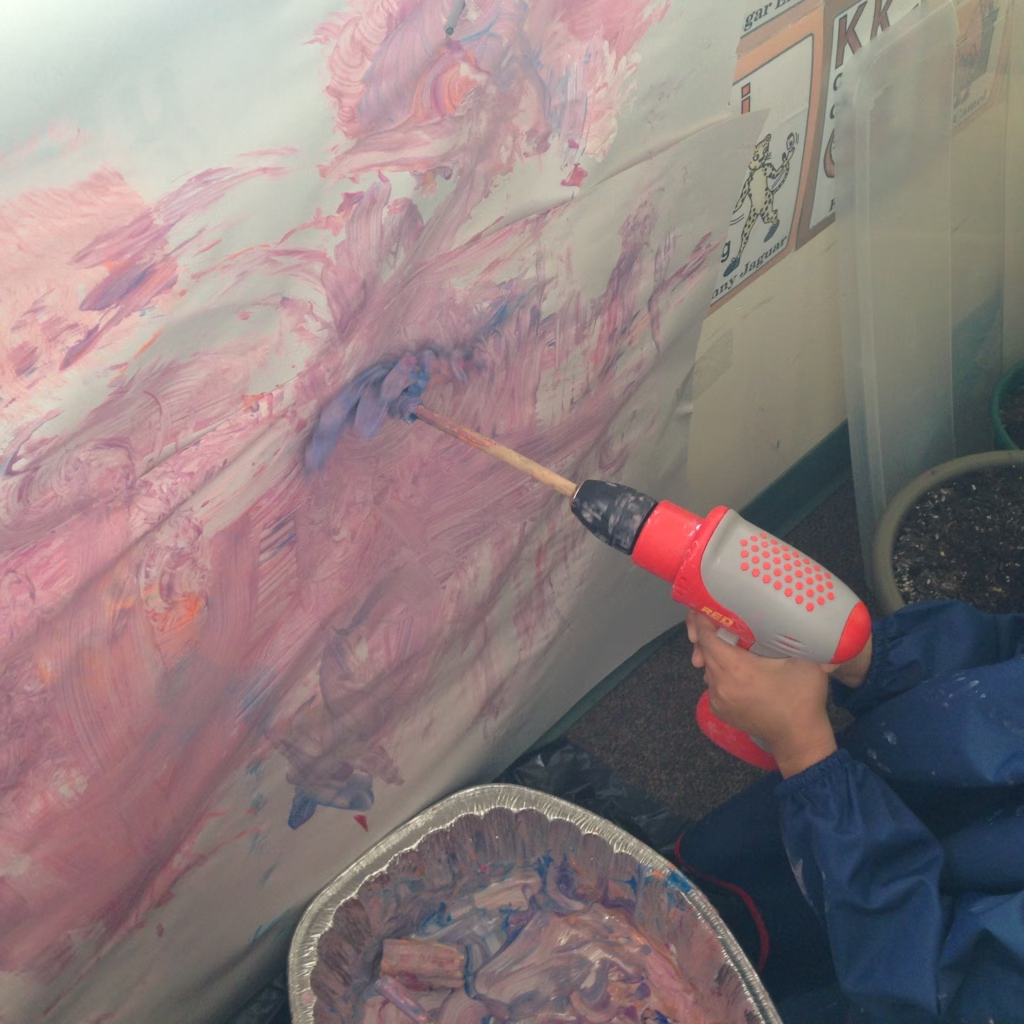
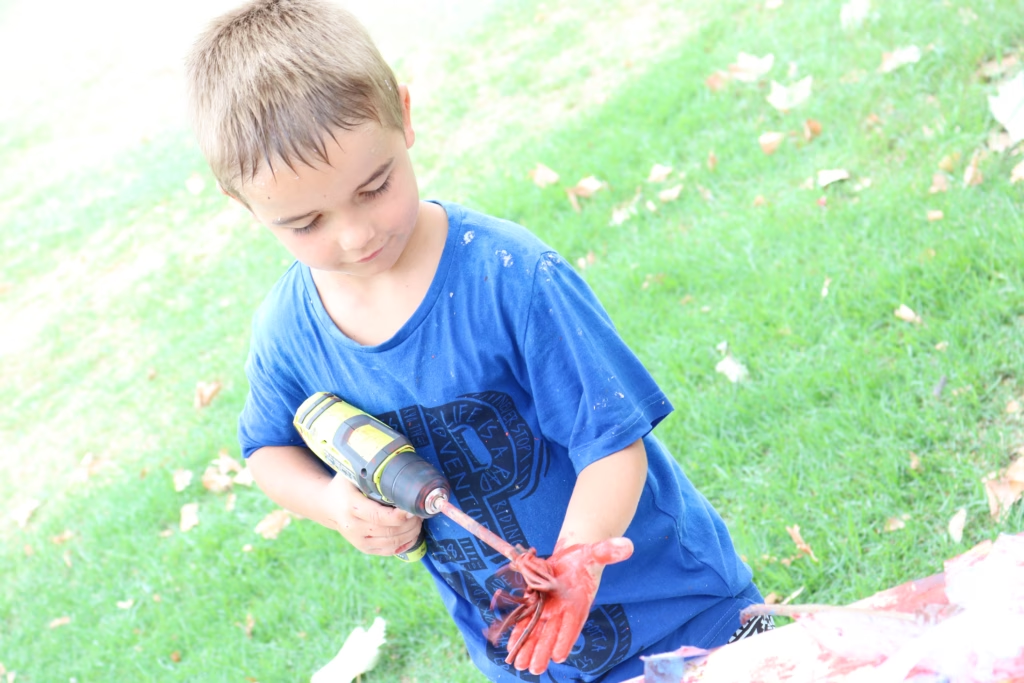
- Even chuck one into a cordless drill for a powered spinning brush (with proper supervision, of course)
They get even “looser” when allowed outside the art area—think water painting on sidewalks, mud “brushing” in sensory play, or mixing with other materials in dramatic or exploratory zones.
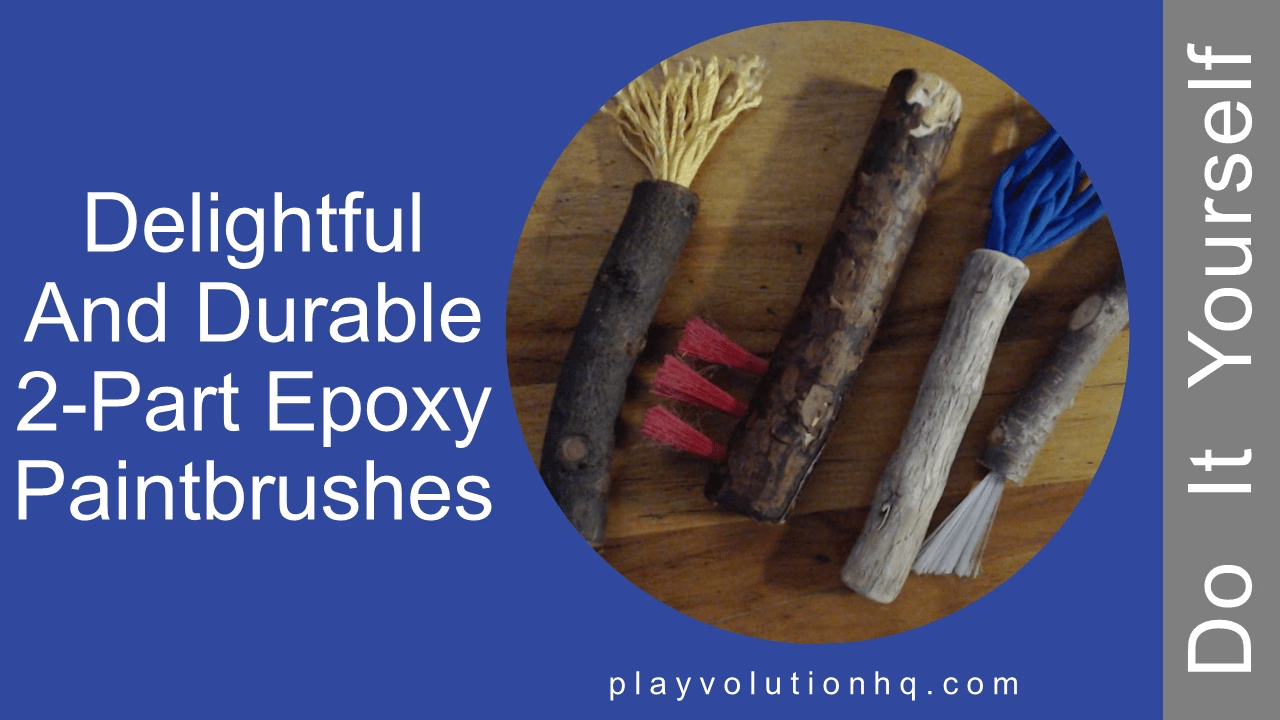
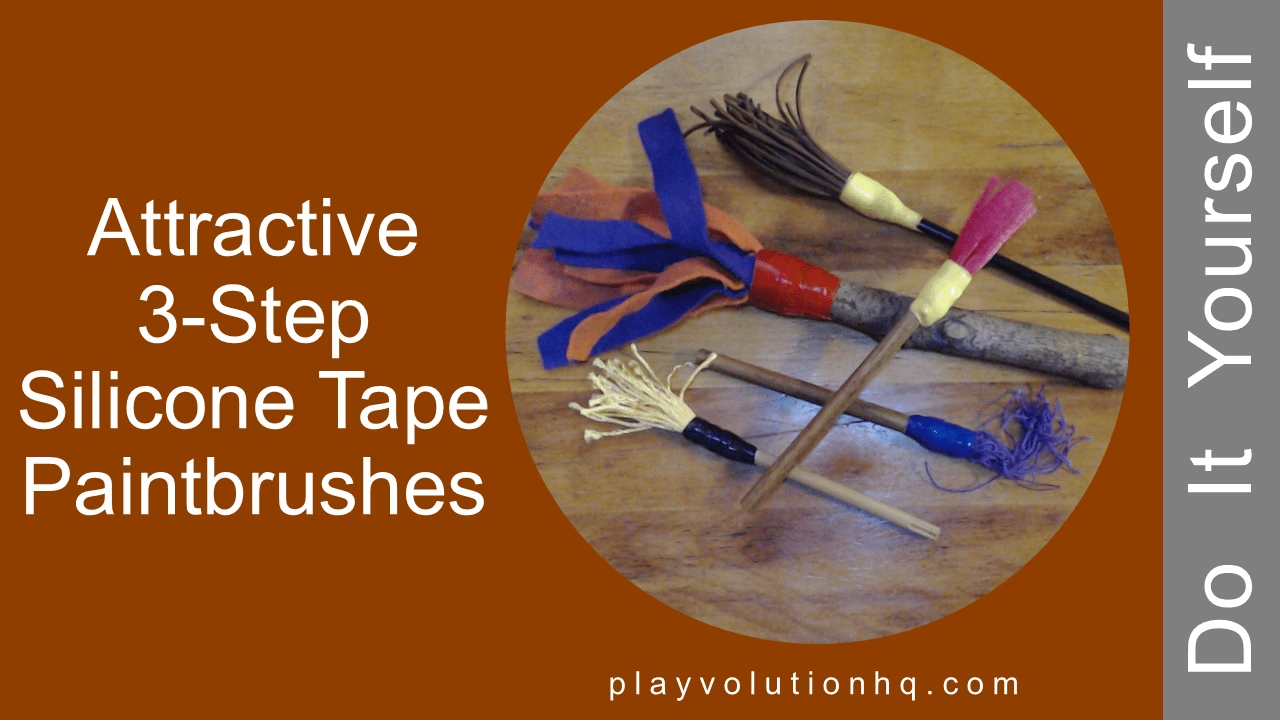
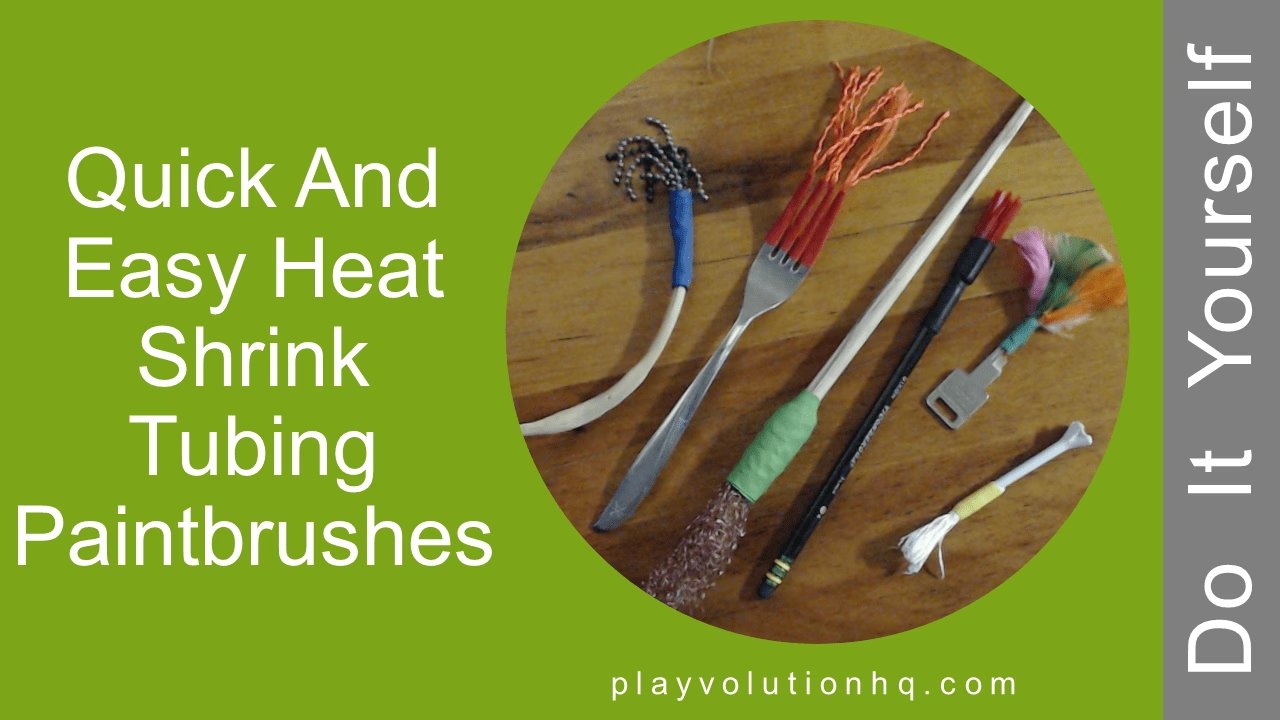
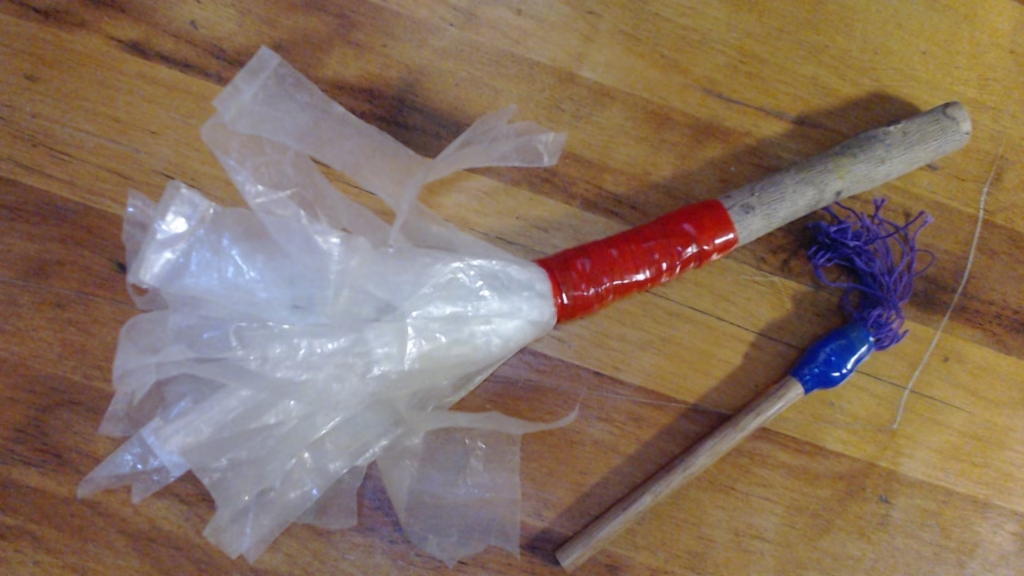
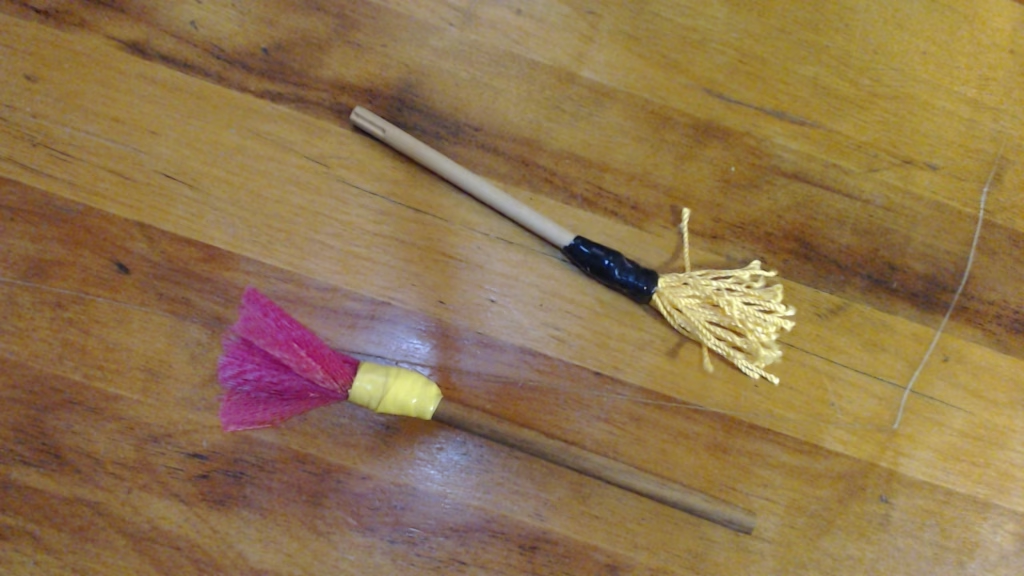
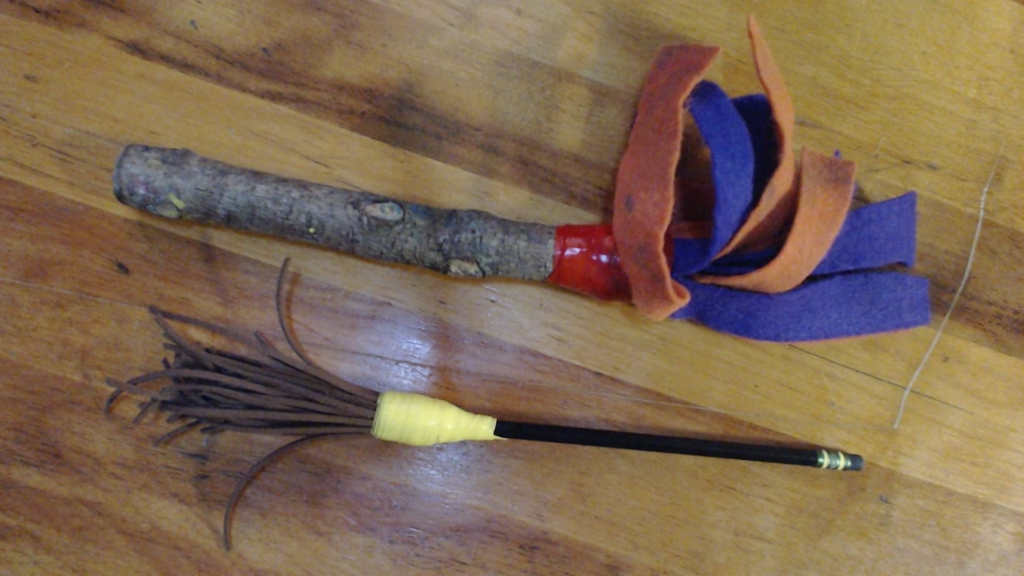
You can amp up the variability by making your own custom brushes. What happens with a three-foot-long handle? Leather bristles? A bendy stem? Feathers instead of synthetic hair? Kids love experimenting with these tweaks, and the process itself sparks invention and problem-solving.
In the end, loose parts aren’t defined by the object alone—it’s our willingness as adults to embrace variables and step back from control that unlocks their true potential.
DIY Paintbrush Ideas
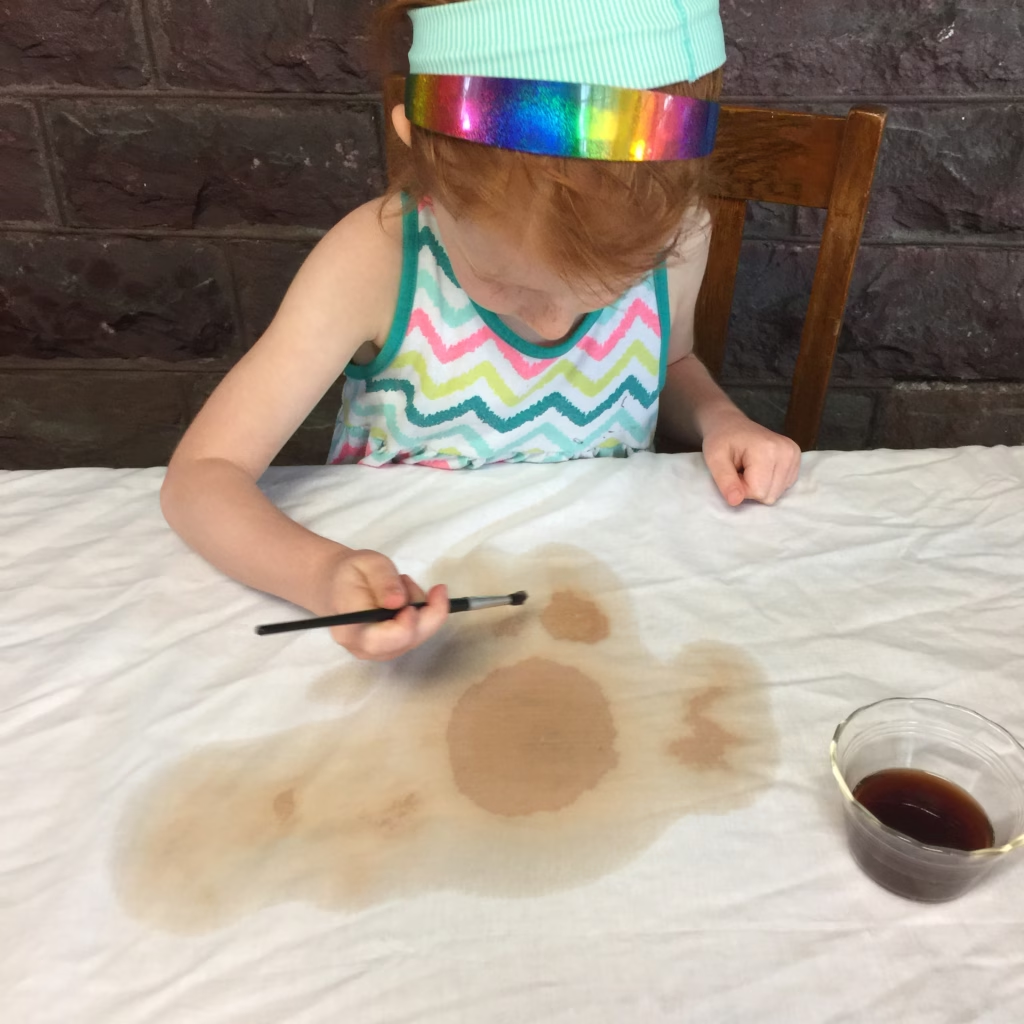
Paint Brushes At Play
Contribute content to Playvolution HQ
Brought to you by Explorations Early Learning
Browse Trainings

Post Author

Jeff Johnson is an early learning trainer, podcaster, and author who founded Explorations Early Learning, Playvolution HQ, and Play Haven.
Leave a Reply