
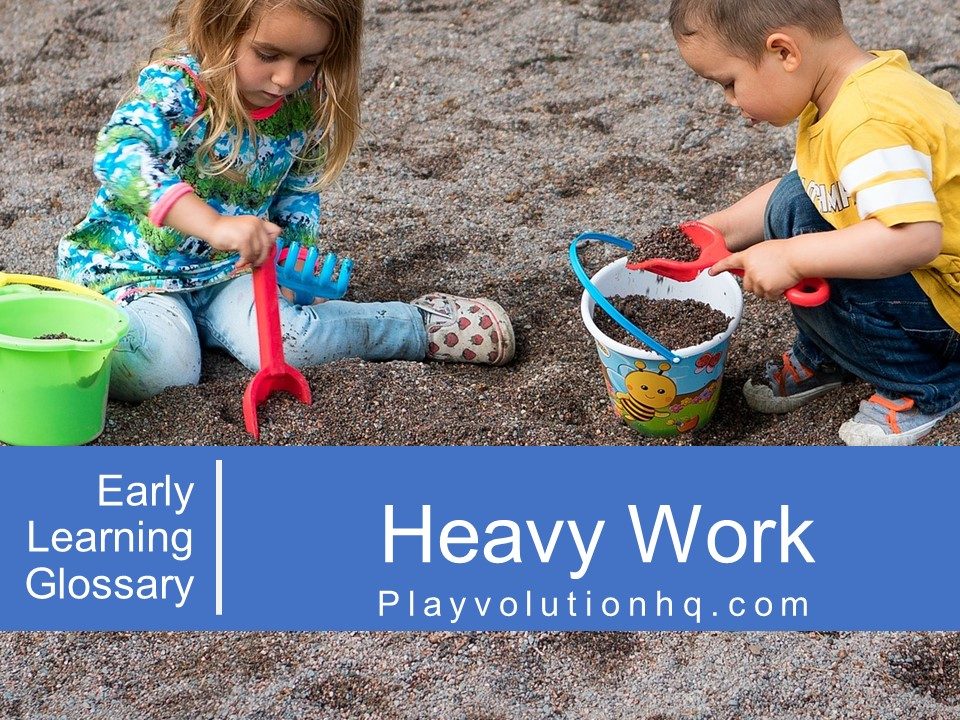
About Heavy Work
Heavy work refers to activities that push or pull against the body or involve carrying. Heavy work strengthens and maintains the proprioceptive system by offering resistance to joints, muscles, and connective tissues. According to pediatric occupational therapist (and author of Balanced And Barefoot) Angela Hanscom, “Heavy work helps to develop a strong and capable proprioceptive system.” (Hanscom, Angela J. Balanced and Barefoot: How Unrestricted Outdoor Play Makes for Strong, Confident, and Capable Children (p. 41). New Harbinger Publications. Kindle Edition.)
There are many benefits to heavy work, it:
- Can be emotionally calming
- Builds large and small muscle strength and control
- Can build confidence and pride in children as they complete tasks and meet physical challenges
- Can increase focus and alertness
- Releases serotonin, a neurotransmitter that improves mood and regulates the sensory system
- Helps children learn to self-regulate
A few examples of heavy work:
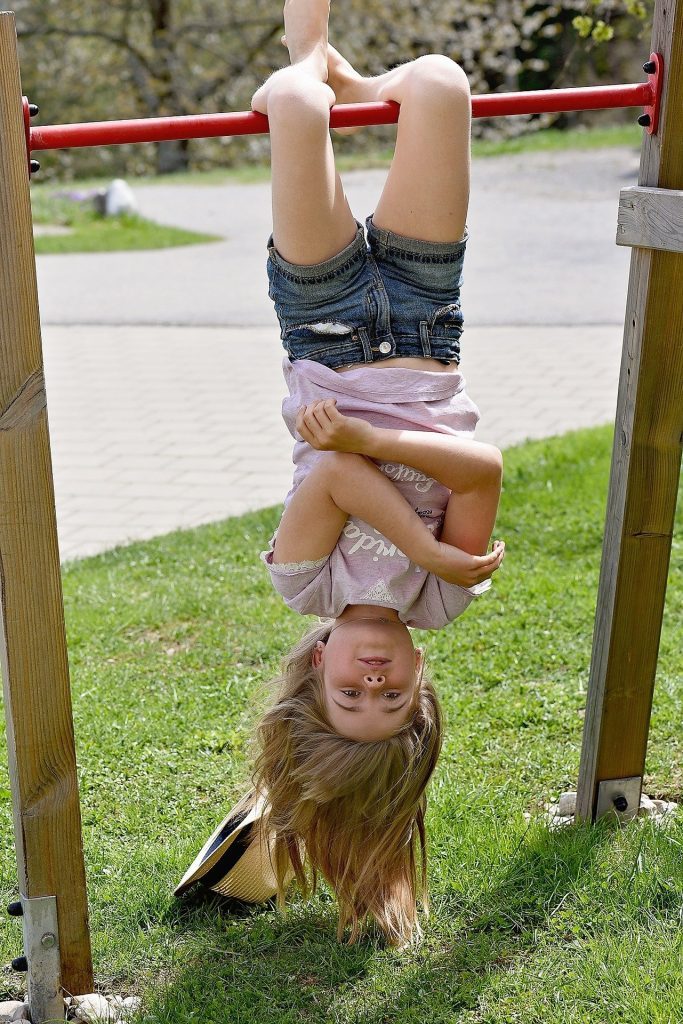
- Climbing up a slide, tree, rope, piece of furniture, or playground structure
- Riding a bike, scooter board, scooter, skateboard, or tricycle
- Carrying buckets, rocks, backpacks, laundry baskets, or suitcases
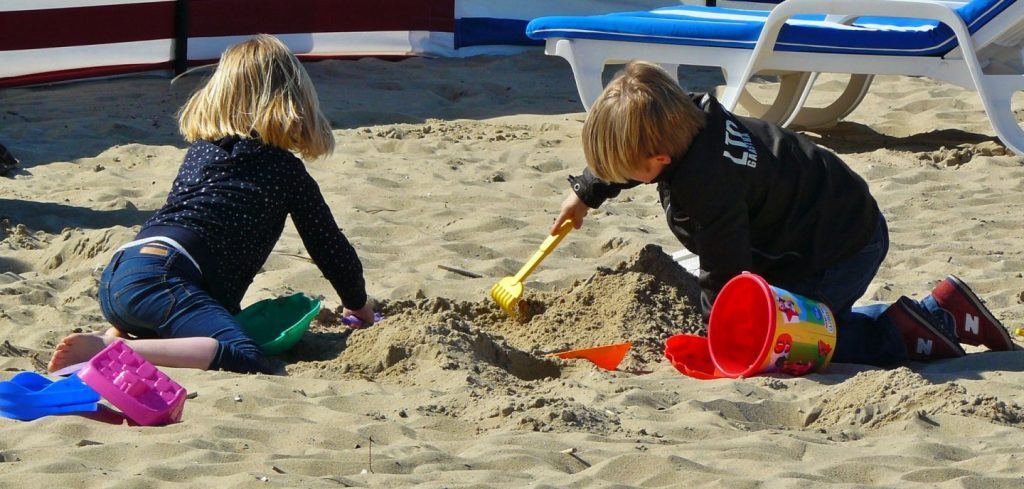
- Digging in sand, dirt, snow, or mud
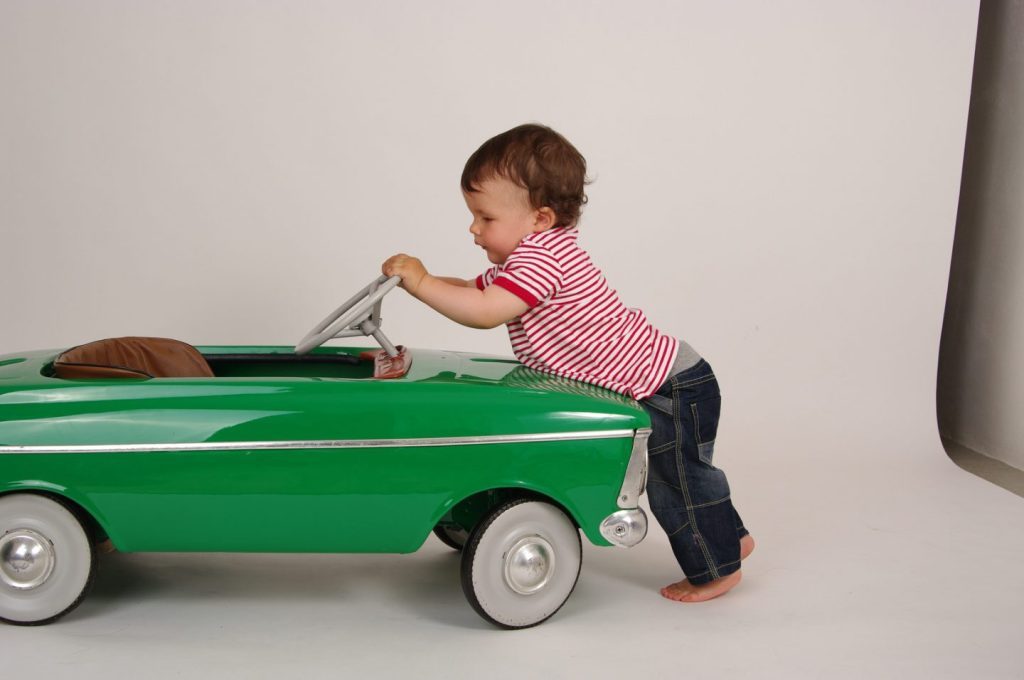
- Pushing a wheelbarrow, wagon, shopping cart, vacuum cleaner, or person on a swing
- Manipulating play dough, clay, or mud
- Pulling weeds, wagons, or sleds
- Throwing rocks, balls, or bean bags
Contribute content to Playvolution HQ
Brought to you by Explorations Early Learning
Thoughts On This Entry?
I’d love to hear your thoughts on improving this entry and suggestions for additional glossary additions in the comments below. You can also contact me with comments or concerns.
Browse Trainings

Post Author

Jeff Johnson is an early learning trainer, podcaster, and author who founded Explorations Early Learning, Playvolution HQ, and Play Haven.
Leave a Reply