
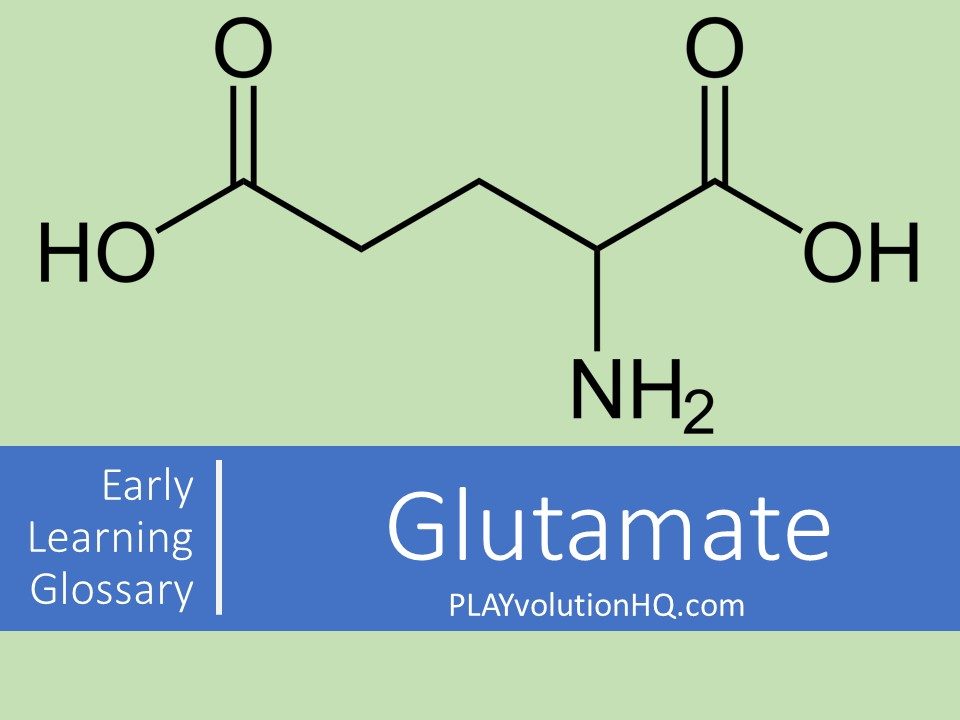
What Is Glutamate?
Glutamate is a crucial neurotransmitter in the brain and the most abundant excitatory neurotransmitter in the central nervous system (CNS). It plays a vital role in neural communication, brain function, and plasticity.
Key Functions of Glutamate
- Excitatory Signaling – Glutamate helps transmit signals between nerve cells, making it essential for learning, memory, and cognitive function.
- Neuroplasticity – It supports synaptic plasticity, the brain’s ability to adapt and form new connections, which is crucial for learning and memory.
- Metabolism – Glutamate is involved in energy production and is a precursor for other neurotransmitters like GABA (gamma-aminobutyric acid).
Sources of Glutamate
- Naturally produced in the brain from glucose and amino acids.
- Found in protein-rich foods like meat, fish, dairy, and some vegetables.
- Present in monosodium glutamate (MSG), a common food additive used to enhance flavor.
Glutamate and Brain Health
While glutamate is essential for normal brain function, excessive glutamate activity can lead to neurotoxicity, which is associated with conditions like:
- Alzheimer’s disease
- Parkinson’s disease
- Epilepsy
- Amyotrophic lateral sclerosis (ALS)
The brain tightly regulates glutamate levels to prevent overexcitation of neurons, which can cause cell damage.
Contribute content to Playvolution HQ
Brought to you by Explorations Early Learning
Thoughts On This Entry?
I’d love to hear your thoughts on improving this entry and suggestions for additional glossary additions in the comments below. You can also contact me with comments or concerns.
Browse Trainings

Post Author

Jeff Johnson is an early learning trainer, podcaster, and author who founded Explorations Early Learning, Playvolution HQ, and Play Haven.
Leave a Reply