

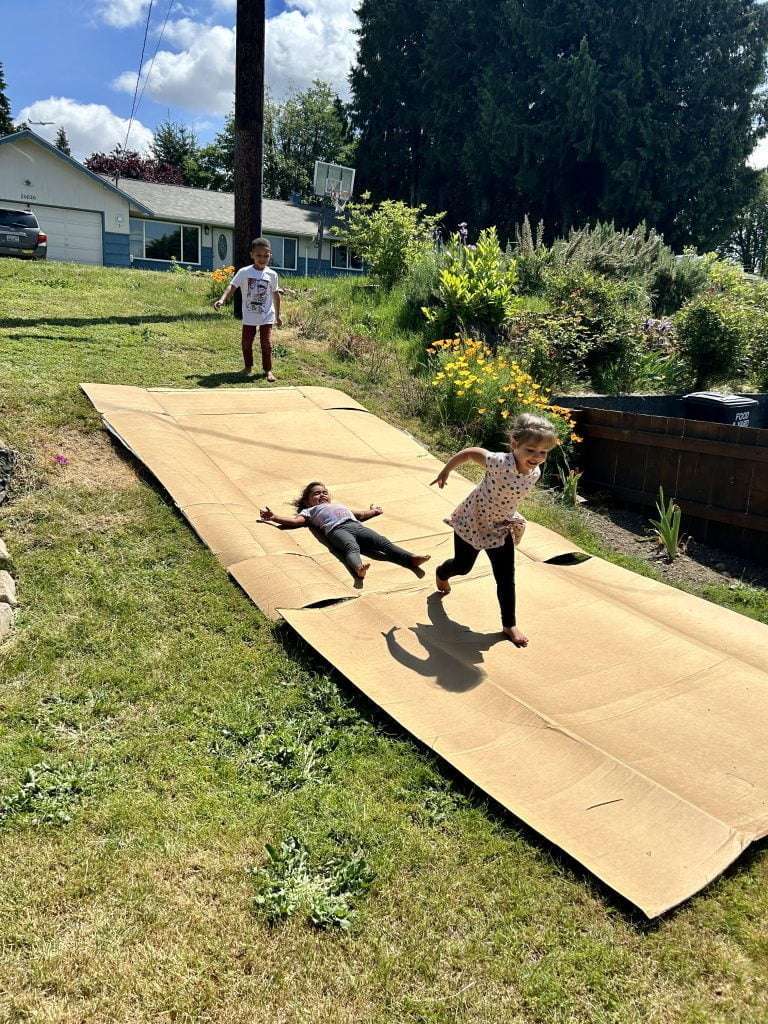
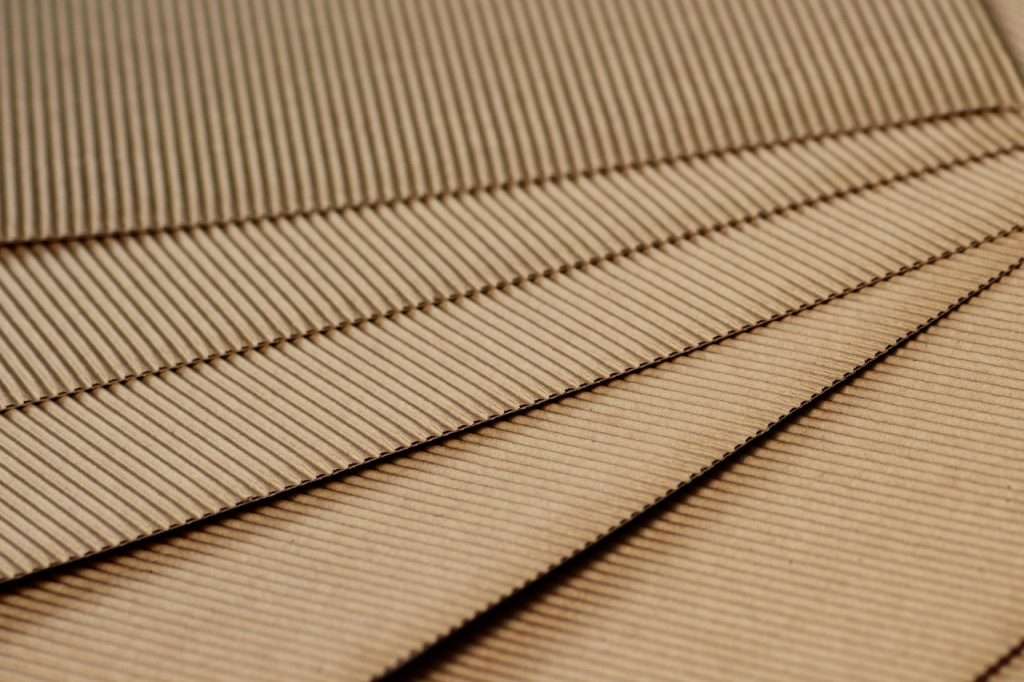
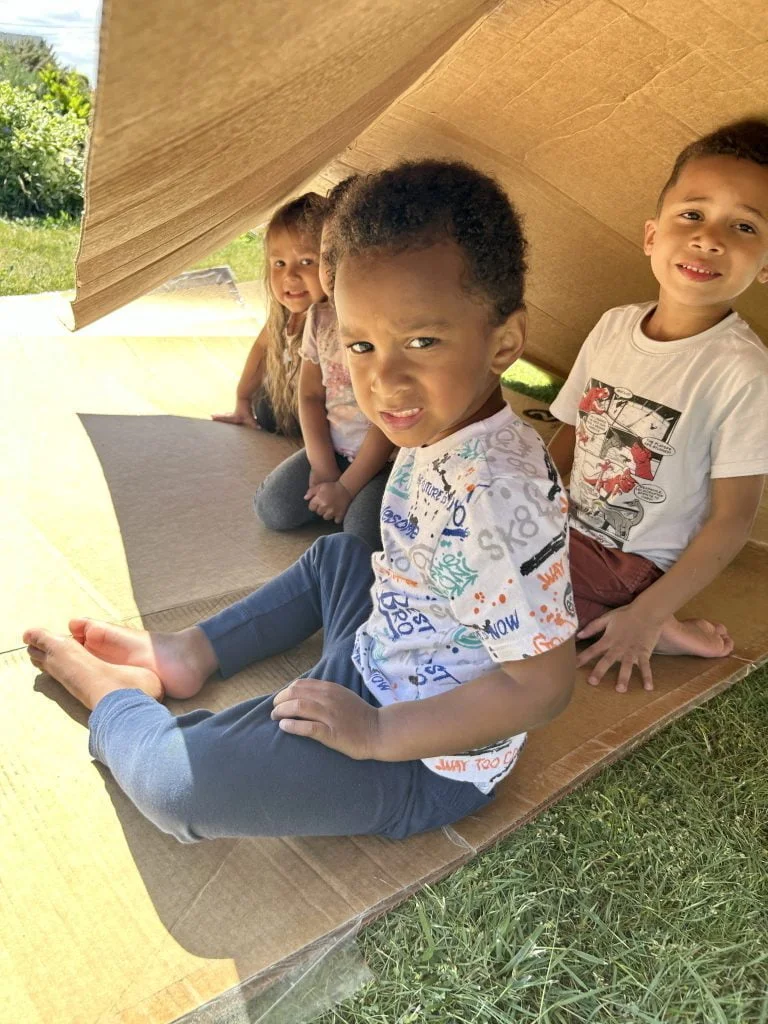
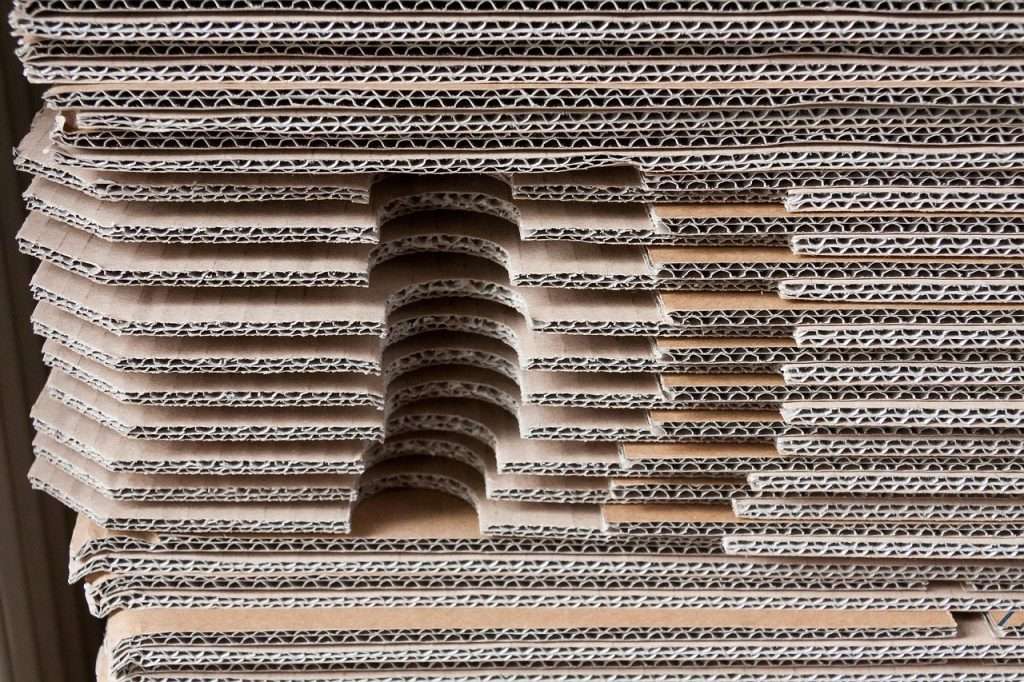
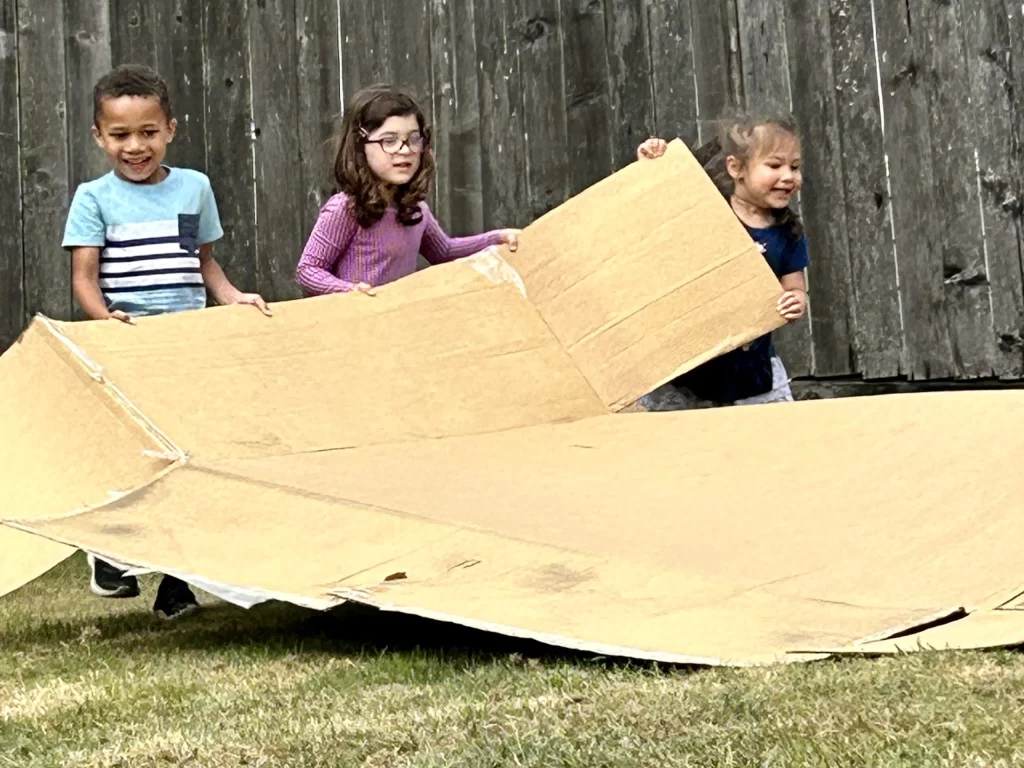
Cardboard sheets, as loose parts, offer children a versatile and open-ended material for play and exploration. With their lightweight yet sturdy nature, kids might transform them into ramps, walls for a makeshift fort, or even canvases for sprawling artwork.
This imaginative play encourages problem-solving as kids figure out how to balance, stack, or connect the sheets, fostering spatial awareness and small muscle skills. The simplicity of cardboard invites experimentation, where a sheet can become a bridge one moment and a spaceship the next, sparking creativity without the limits of traditional toys.
Beyond physical manipulation, cardboard sheets can inspire collaborative and cognitive growth. Children may work together to construct a large structure, negotiating roles and sharing ideas, which builds communication and teamwork skills.
As they cut, fold, or decorate the sheets, they explore concepts like shapes, sizes, and even basic engineering principles—such as stability or weight distribution—without realizing they’re learning. This hands-on engagement also nurtures resilience, as a collapsed creation becomes an opportunity to try again, adapting and refining their approach through trial and error.
Cardboard Sheets At Play
Here’s some cardboard sheet awesomeness from family child care provider Autumn:

Contribute content to Playvolution HQ
Brought to you by Explorations Early Learning
Browse Trainings

Post Author

Jeff Johnson is an early learning trainer, podcaster, and author who founded Explorations Early Learning, Playvolution HQ, and Play Haven.
Leave a Reply