
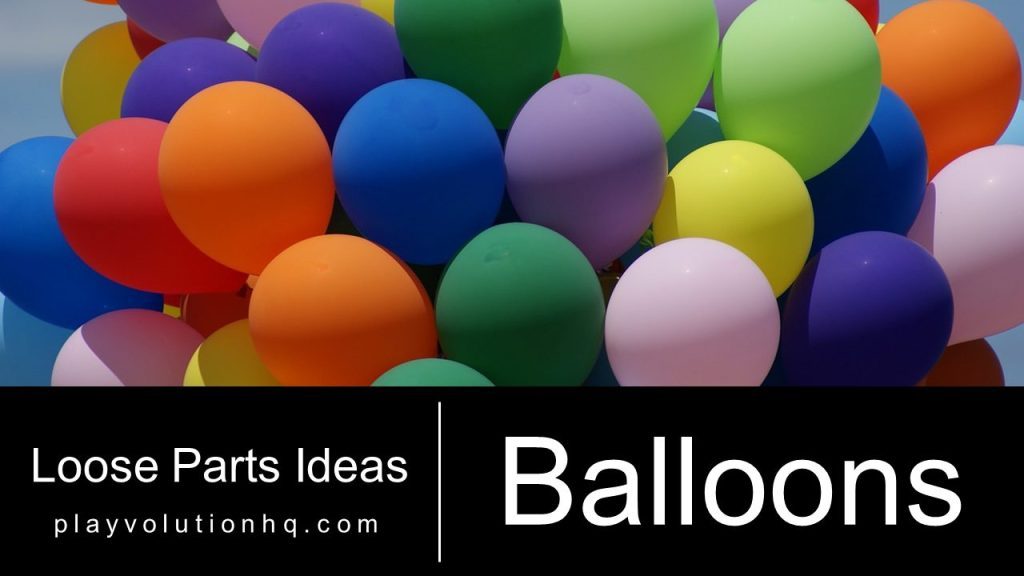
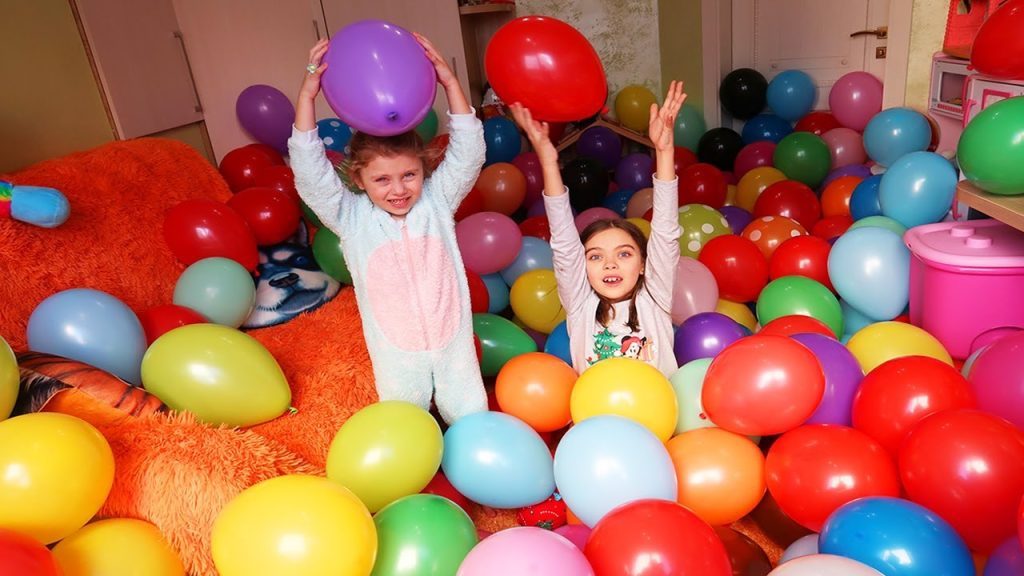
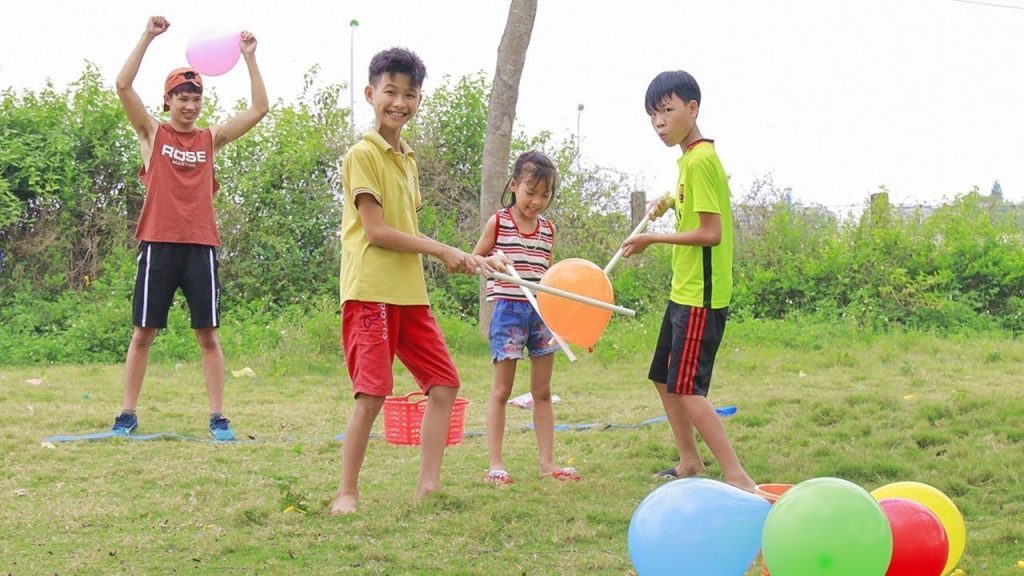
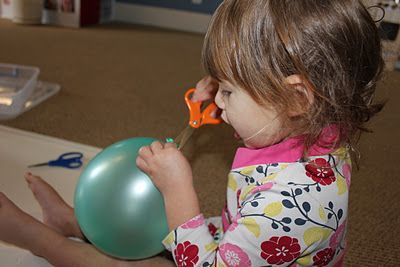
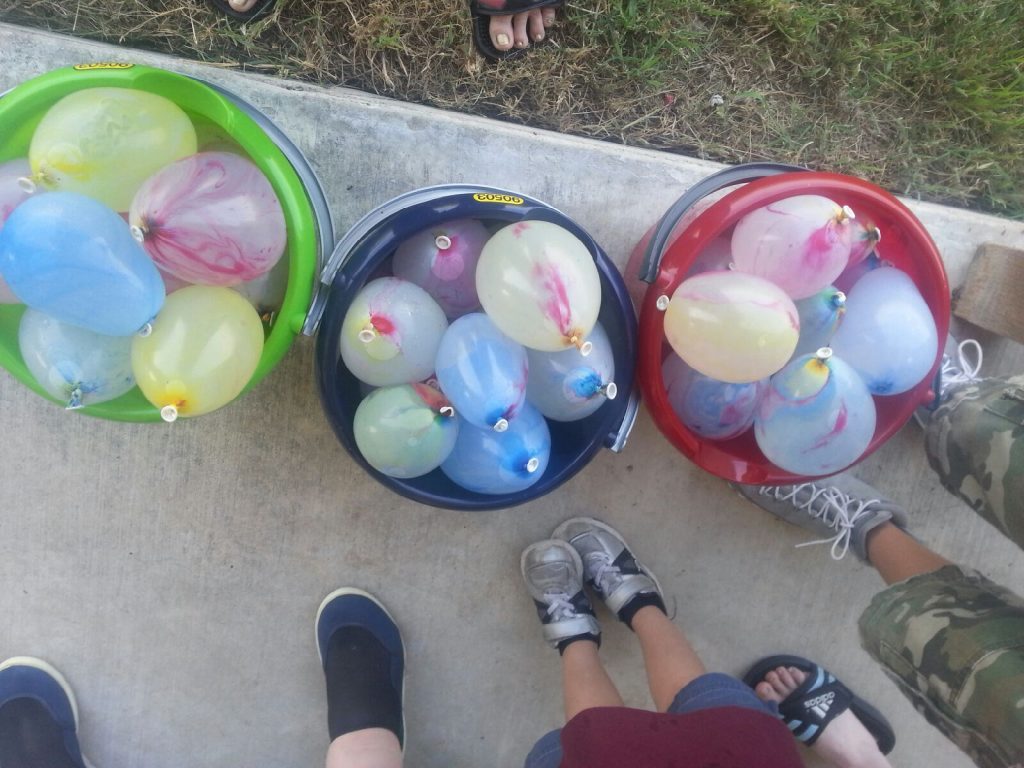
I’d hate for balloons to get inflated egos, but they really are fun ad engaging loose parts that support lots of play and learning. I mean, just narrowing their potential impact down to STEM-related play and learning we find they can help kids bump up against concepts like gravity, wind, static electricity, expansion, contraction, sound, pressure, fluid dynamics, and more. What’s not to like? They’re inexpensive, readily available, kids of all ages love them, they come in lots of colors and shapes. They’re truly a must-have loose part.
Oh, wait. There is one problem. The Fun Police have come for balloons in some areas and labeled them Dangerous. Too dangerous for children to interact with, maybe even too dangerous for them to share a room with. “Ban Balloons,” the good intentioned scolds instruct.
Well, they’ll have to pry my balloons from my cold dead fingers. Look, they are potentially hazardous, but so is water and gravity. First off, the hazards aren’t as great as the scolds seem to think–use this rating matrix and judge for yourself. Second, hazards can be mitigated. For example, you can encase balloons in a nylon stocking or a mesh produce bag to contain shrapnel when they pop.
Thoughtful adults can easily support play with these stretchy airbags. Here’s a risk assessment form you can use to simplify the process.
Balloons At Play


Contribute content to Playvolution HQ
Brought to you by Explorations Early Learning
Browse Trainings


Post Author

Jeff Johnson is an early learning trainer, podcaster, and author who founded Explorations Early Learning, Playvolution HQ, and Play Haven.
Leave a Reply