

Are zigzags loose parts? Sure they are, let me explain.
In his Theory Of Loose Parts, Simon Nicholson explains that loose parts are simply variables in an environment with which we humans can interact—and he specifically mentions concepts and shapes as examples. So, zigzags—as concepts and shapes—are indeed loose parts.
Also, there are not a lot of Loose parts that start with the letter Z, and I really wanted to get at least one added to the site.
So, how does one engage with a zigzag?
In most cases, I’d bet zigzag engagement is accomplished with attention and eyeballs—with noticing.





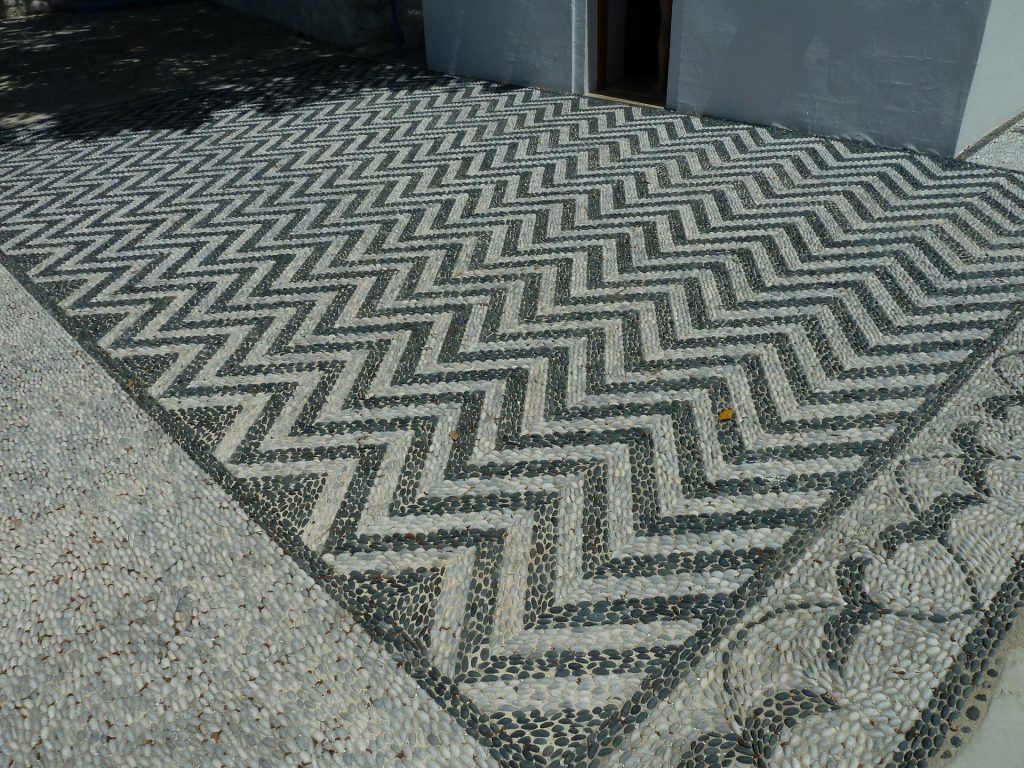
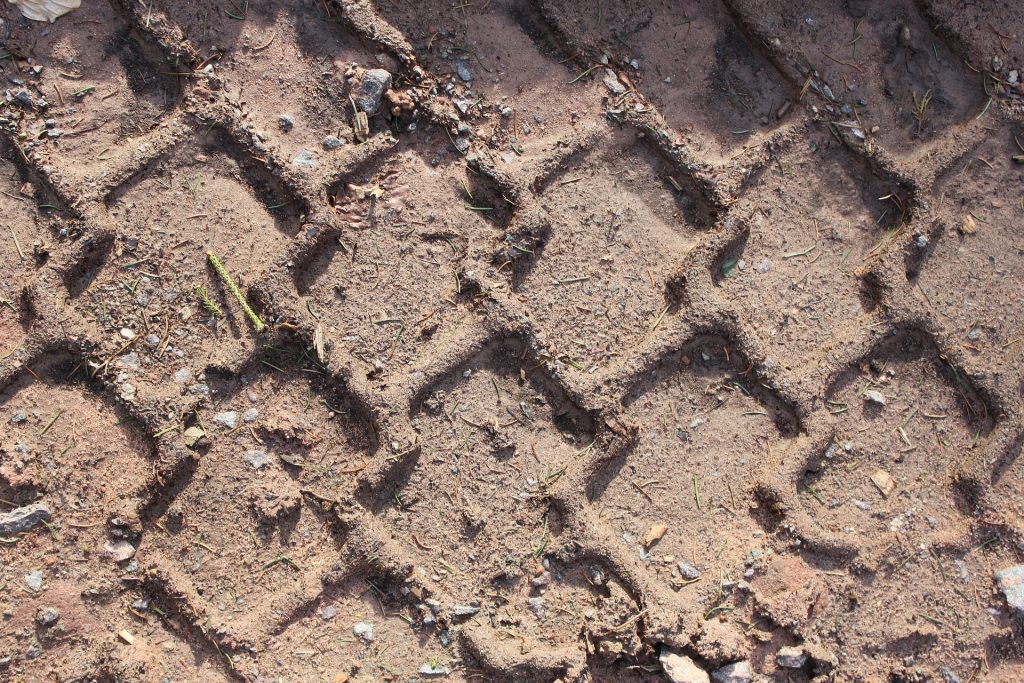
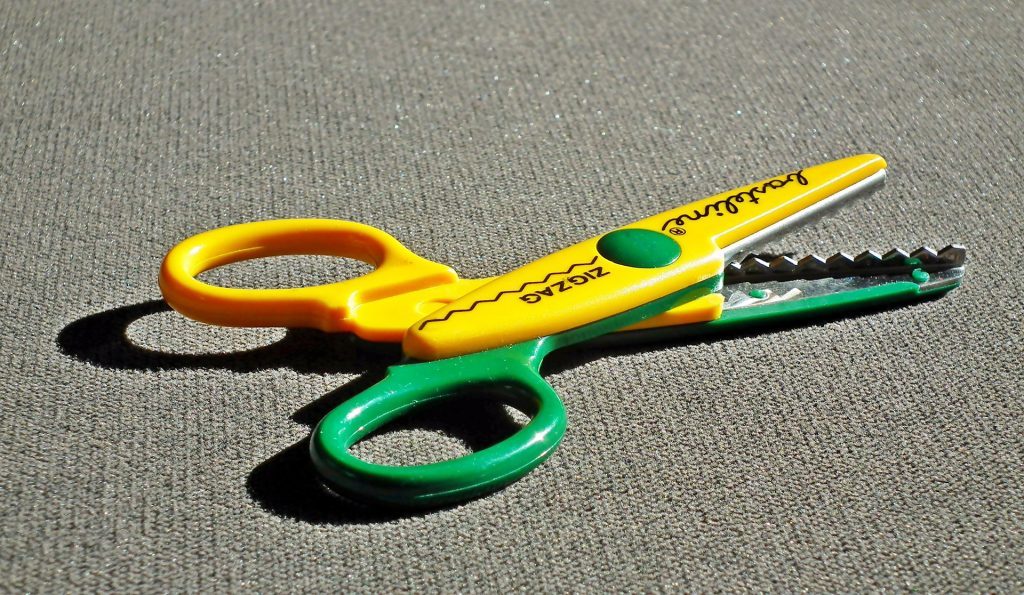
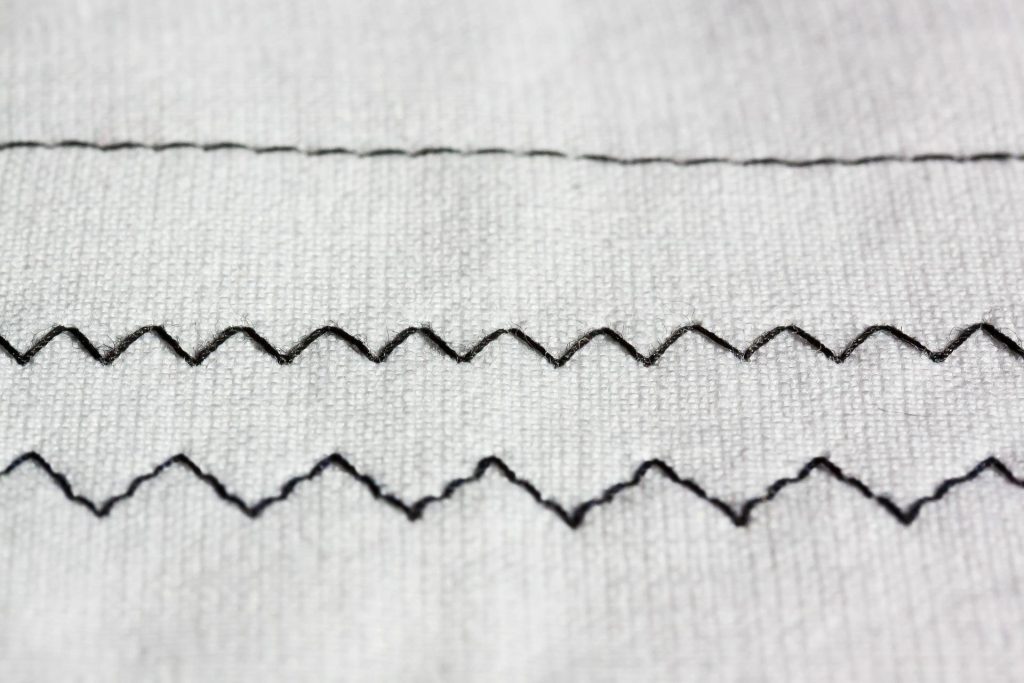
Maybe it’s a zigzag shadow cast by a stairway handrail as depicted in the above photo. Maybe it’s the repeated zig and zag of wire in a chain link fence. Maybe it’s a fabric pattern, a pattern cut in paper with pinking shears, or the repetitive up and down strokes of purple paint Elsie has just painted on butcher’s paper.
Once zigzags have been noticed and named, they are much easier to identify and play with. They may start popping up in art projects, clay play, block structures, and superhero play (“run in a zigzag so The Batman can’t catch you!”). After internalizing zigzag as a concept, Some observant child my even exclaim with great joy at dinner that Mom just used zigzags to cut her steak.





Contribute content to Playvolution HQ
Brought to you by Explorations Early Learning
Browse Trainings


Post Author

Jeff Johnson is an early learning trainer, podcaster, and author who founded Explorations Early Learning, Playvolution HQ, and Play Haven.
Leave a Reply