
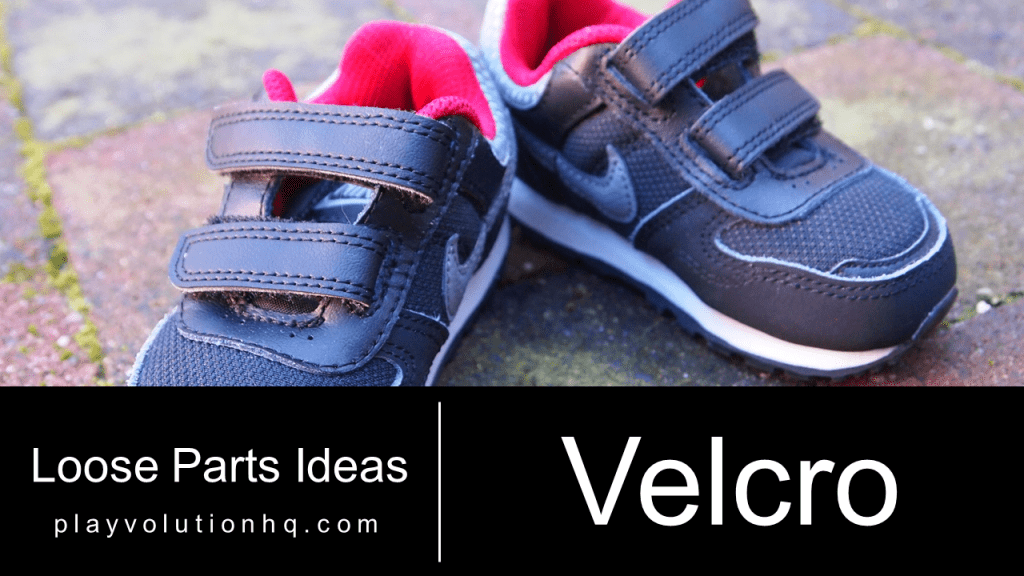
Beyond its interesting texture and the sound generated by de-Velcroing, Velcro is a stupendous loose part because it is an easy-to-master technology kids can use in many ways.
Using Velcro In Early Learning Settings
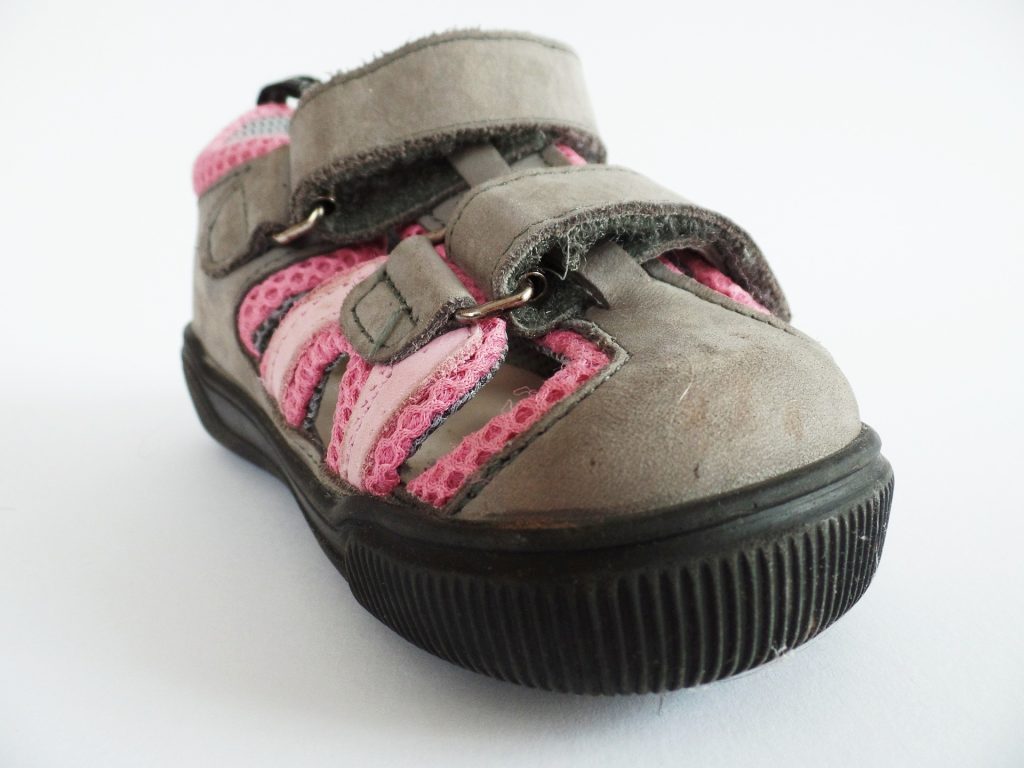
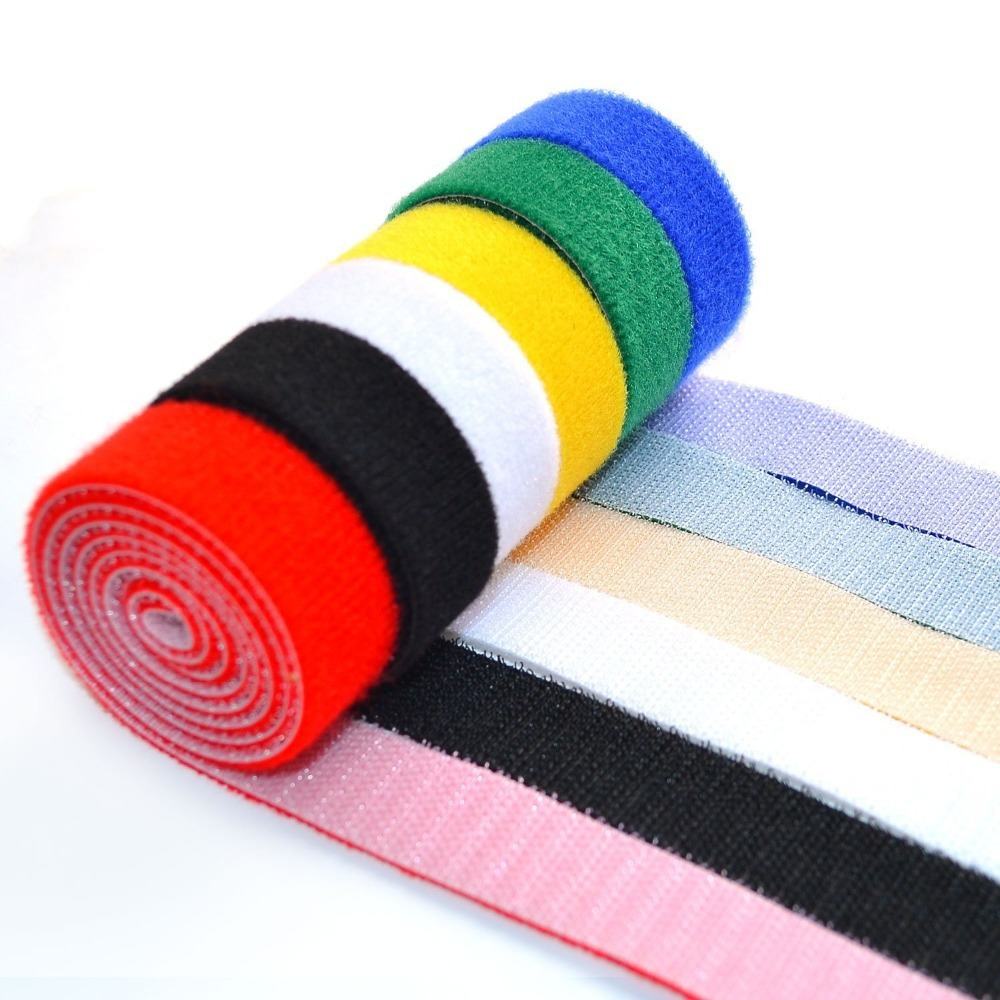
Simply adding items that utilize hook and loop fasteners (shoes, billfolds, etc) to the environment is one way to introduce it as a loose part. Another strategy is to make it available as a raw material for craft and tinkering projects. It comes in long rolls and in many pre-cut sizes and shapes. You can get it with our without sticky adhesive on the back. In the olden times, this adhesive wasn’t too reliable, but it’s better in recent years. Personally, I’d opt for versions without the adhesive. I think that makes for a looser loose part. Kids will need to figure out how to attach it and then do the attaching.
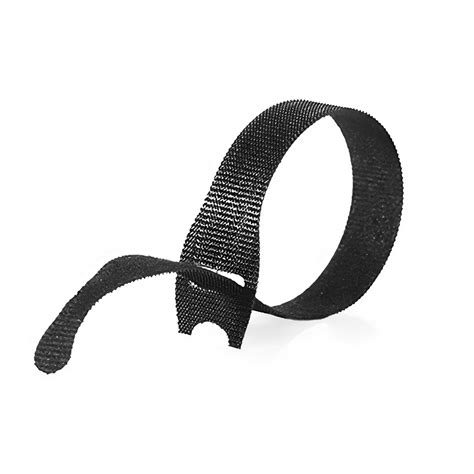
Another idea for introducing Velcro into your classroom. Hook and loop cable ties, like the one pictured below, are inexpensive, reusable, and come in different widths and lengths. We like these 6 inch (15.24 cm) ties for smaller projects and these 24 inch (0.61 m) ones for bigger jobs (those are affiliate links). How will kids use them?
Who knows–that’s what makes loose parts so fun and educational. Kids’ll come up with lots of ideas. I’ve seen the smaller ones used extensively in small world play and the larger ones employed in stick-based construction projects, heavy work play, and kid-invented games that involved attaching limbs together. “Let’s Velcro our legs together and see if we can climb up the slide!”
We’d love to hear your Velcro loose parts thoughts in the comments.
Contribute content to Playvolution HQ
Brought to you by Explorations Early Learning
Browse Trainings

Post Author

Jeff Johnson is an early learning trainer, podcaster, and author who founded Explorations Early Learning, Playvolution HQ, and Play Haven.
Leave a Reply