About Unschooling
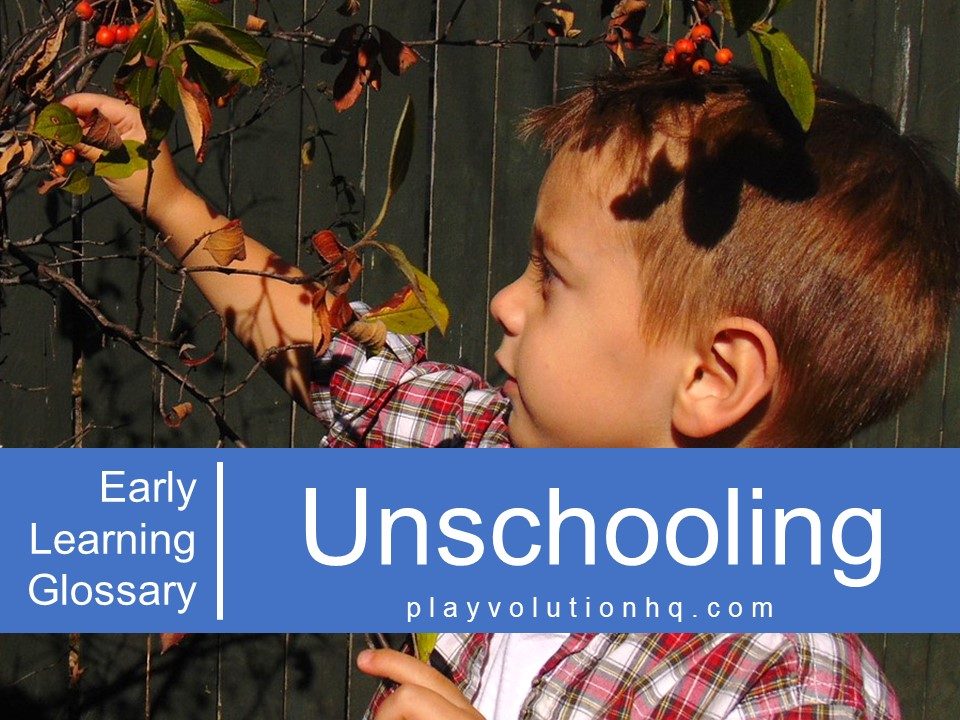
Unschooling is an informal and child-led style of homeschooling. The term was coined in the 1970s by educator and author John Holt, who sought an alternative to traditional schooling (see his book Teach Your Own for more). In that book, Holt writes, ““the idea of special learning places where nothing but learning happens no longer seems to me to make sense at all. The proper place and best place for children to learn whatever they need or want to know is the place where until very recently almost all children learned it – in the world itself, in the mainstream of adult life”.
According to an article in the book The Unschooling Manual (Affiliate Link) by author Earl Stevens, “Unschooling provides a unique opportunity to step away from systems and methods, and to develop independent ideas out of actual experiences, where the child is truly in pursuit of knowledge, not the other way around.”
This method of learning can be implemented in many ways, which is one of the reasons some are drawn to it. There are, however, 4 beliefs that tend to guide unschooling:
- Children are “wired” to learn
- Learning grows from personal interests
- Learning is a side effect of play, exploration, and the pursuit of personal interests
- Parents are not teachers
Contribute content to Playvolution HQ
Brought to you by Explorations Early Learning
Thoughts On This Entry?
I’d love to hear your thoughts on improving this entry and suggestions for additional glossary additions in the comments below. You can also contact me with comments or concerns.
Browse Trainings
Post Author

Jeff Johnson is an early learning trainer, podcaster, and author who founded Explorations Early Learning, Playvolution HQ, and Play Haven.
Leave a Reply