
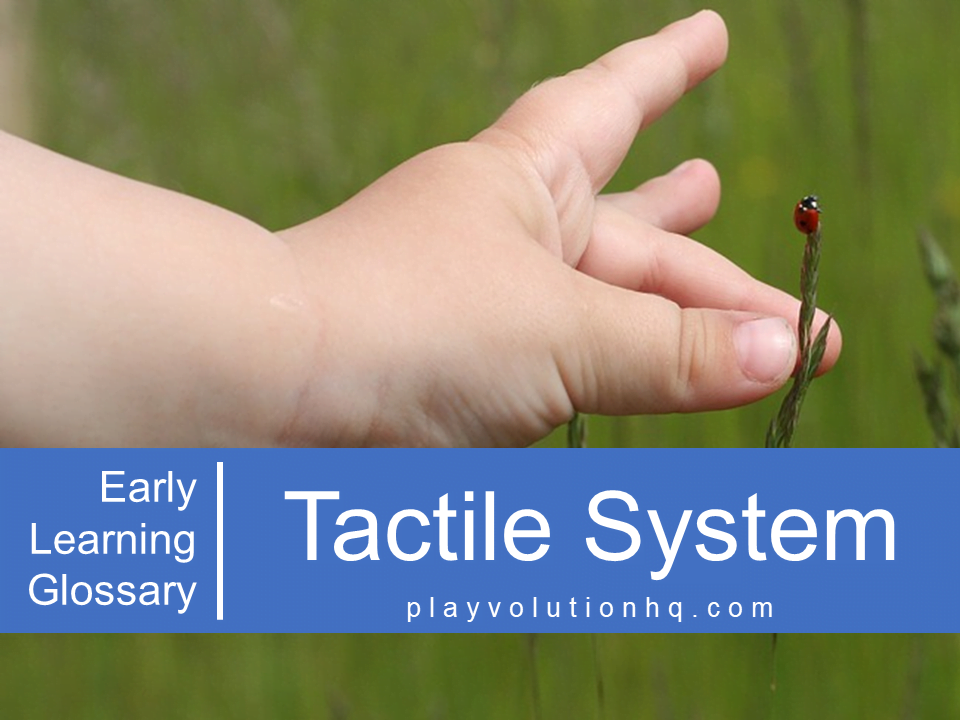
About The Tactile System
The tactile system is responsible for processing the sense of touch. It consists of a vast network of nerve endings and touch receptors in the skin and other organs that relay information through the nervous system to the brain. This system is responsible for sensing temperature, texture, pressure, pain, vibrations, and more.
There are four principal types of touch receptors:
- Mechanoreceptors–they sense pressure, vibration, and texture
- Thermoreceptors–they sense temperature
- Nociceptors–they sense pain
- Proprioceptors–they sense the position of parts of the body in relation to other parts of the body
These receptors work in concert to provide our brains with vital information.
For example, imagine yourself enjoying a cold beverage on the beach as you gaze at the surf while a T-rex rips through the mangrove trees behind you. Thermoreceptors in your fingers sense the temperature of your bevy and indicate more ice is needed. Proprioceptors in your fingers and palm sense the position of your hand and your mouth so you can successfully sip that not-cold-enough drink.
Mechanoreceptors sense the texture of the pineapple you’re drinking from and the vibrations created by the approaching dinosaurs’ beach-shaking footsteps. You glance over your shoulder and break into a run. Touch receptors in your feet relay information about the sand’s texture and temperature. Moments later, nociceptors all over your body react as the dinosaur takes a chomp out of you.
Our tactile systems are constantly collecting information and relaying it to our brains. Sometimes, we are conscious of this tactile information, but it mostly happens without notice.
Honing The Tactile System
Children hone all those sensory receptors and the nerves connecting them to the brain through active engagement in daily life and self-directed play and exploration. The key word in the previous sentence is active. As with other sensory systems, the tactile system is refined and strengthened with use. Young children should be in motion, touching and manipulating the world around them, not sitting criss-cross-applesauce listening with hands in their laps, not glued to cute child-sized chairs, not sedentary and glassy-eyed staring at a screen.
Related Posts
Find more information about the 8 sensory systems at these links:
- 8 Sensory Systems That Drive Playful Learning
- Supporting School Readiness With Sensory Integration
- Sensory Play
- Sensory Integration
Contribute content to Playvolution HQ
Brought to you by Explorations Early Learning
Thoughts On This Entry?
I’d love to hear your thoughts on improving this entry and suggestions for additional glossary additions in the comments below. You can also contact me with comments or concerns.
Browse Trainings

Post Author

Jeff Johnson is an early learning trainer, podcaster, and author who founded Explorations Early Learning, Playvolution HQ, and Play Haven.
Leave a Reply