

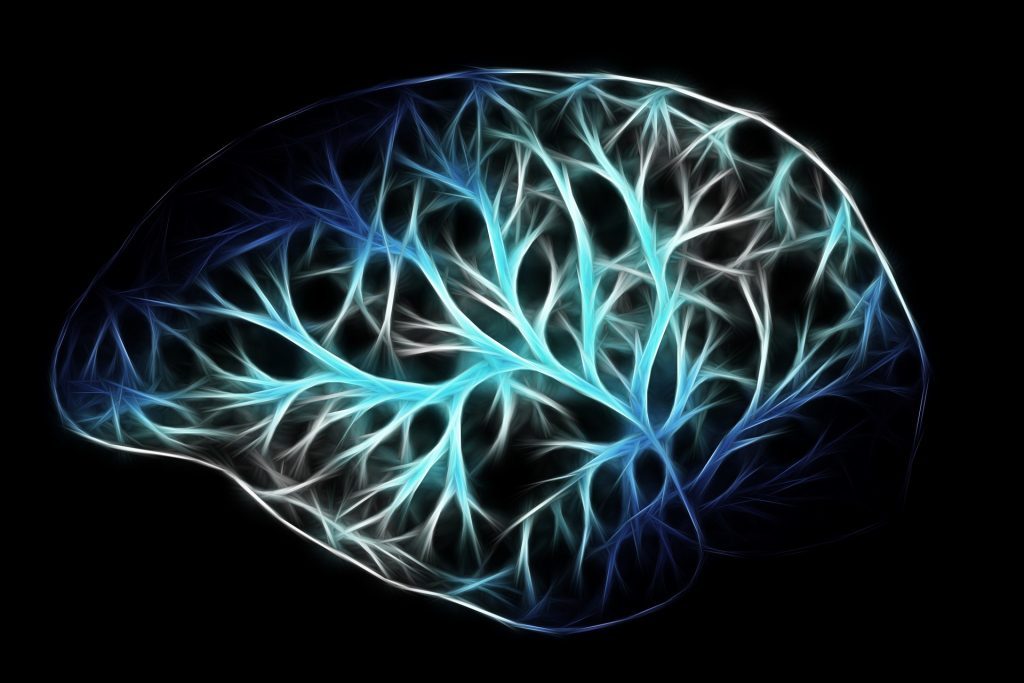
The natural process of synaptic pruning–the elimination of extra synapses–occurs in the brain into adulthood and “is thought to be the brain’s way of removing connections in the brain that are no longer needed.” This process starts before birth. It is thought that only about half of neurons created while in the womb will survive until birth.
The Synaptic Pruning Process
After birth, the brain blossoms with new synapses until a peak is reached around 2 to 3 years of age. Shortly after this period of synaptogenesis, the pruning of synapses that are no longer needed begins.
Once a synapse is formed between two neurons, it can strengthen or weaken, according to how often it’s used. It’s the rule of “use it or lose it” that we so often encounter in the human body. The brain tries to reorganize itself in a sort of efficient way and it empirically eliminates the connections no longer needed.
Synaptic connections are strengthened as children go about daily life–playing, exploring, running errands with parents, and being part of their community and culture. The process of synaptic pruning ends around age 20.
This natural pruning process is a vital part of brain development. By snipping away unnecessary connections, brains become efficient at processing information and using resources.
Contribute content to Playvolution HQ
Brought to you by Explorations Early Learning
Thoughts On This Entry?
I’d love to hear your thoughts on improving this entry and suggestions for additional glossary additions in the comments below. You can also contact me with comments or concerns.
Browse Trainings

Post Author

Jeff Johnson is an early learning trainer, podcaster, and author who founded Explorations Early Learning, Playvolution HQ, and Play Haven.
Leave a Reply