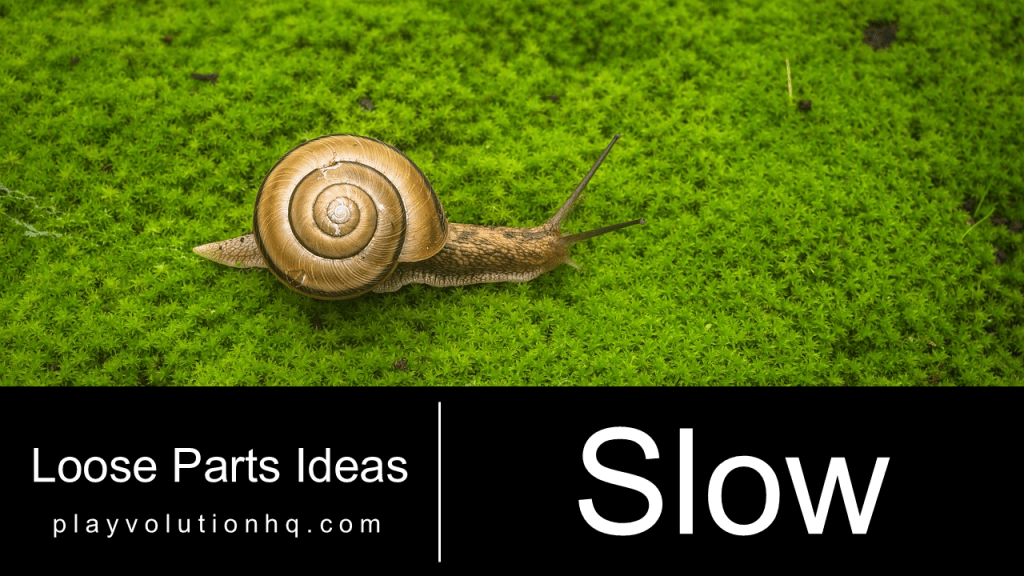
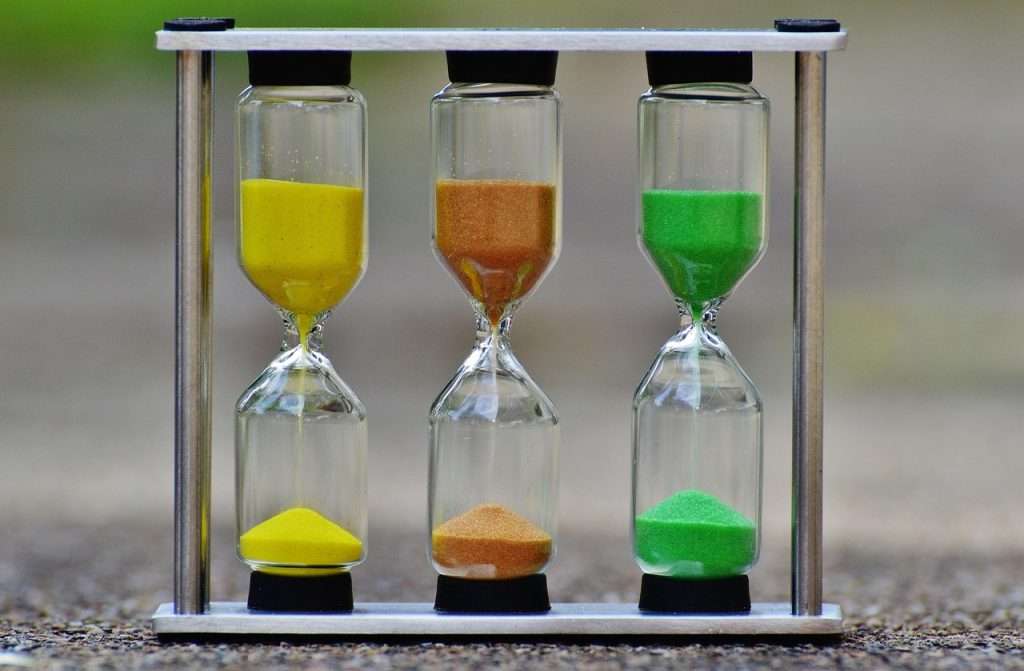
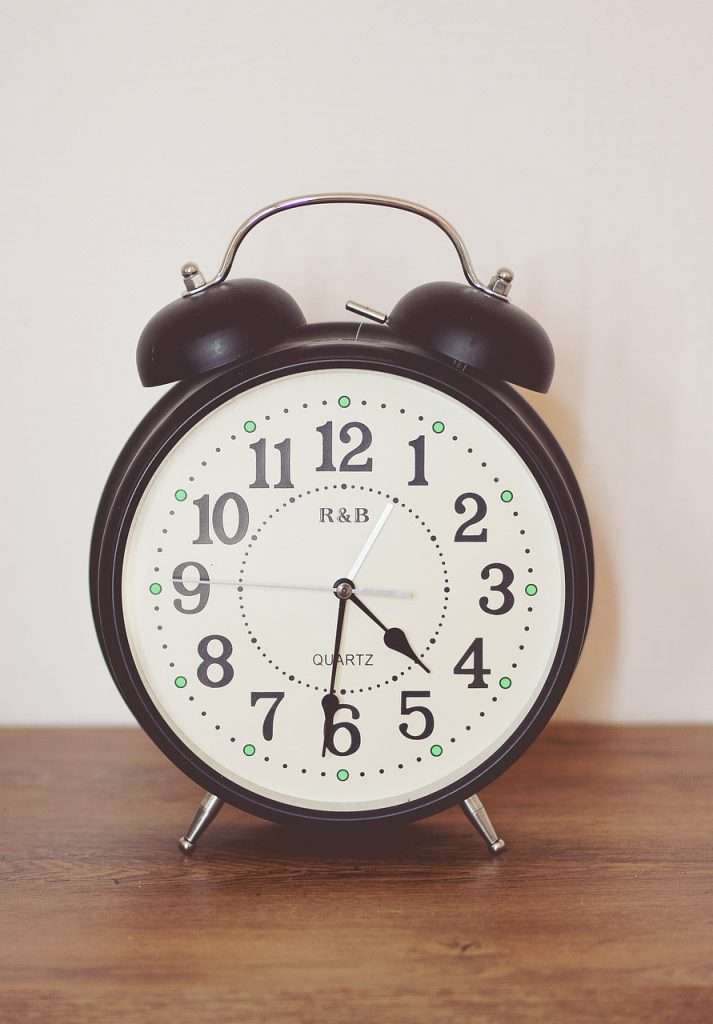
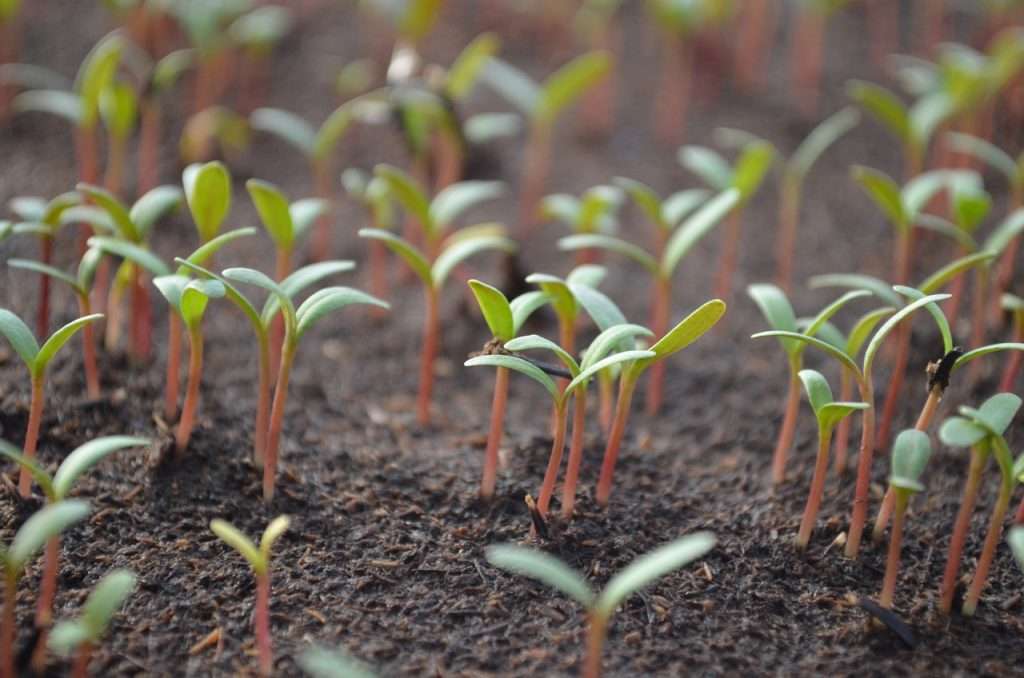
Slow isn’t just a pace—it’s a loose part, a concept kids can tinker with in their own time. Borrowing from Simon Nicholson’s Theory of Loose Parts, slow becomes a variable in their world, ready for exploration. The trick is weaving it into their environment with tangible bits and pieces. Think hourglasses scattered around, a lazy pendulum swinging low, turtles, dripping faucets—simple stuff that nudges kids to notice rhythm and patience. It’s about dropping hints that let slow take shape in their heads, one unhurried moment at a time.
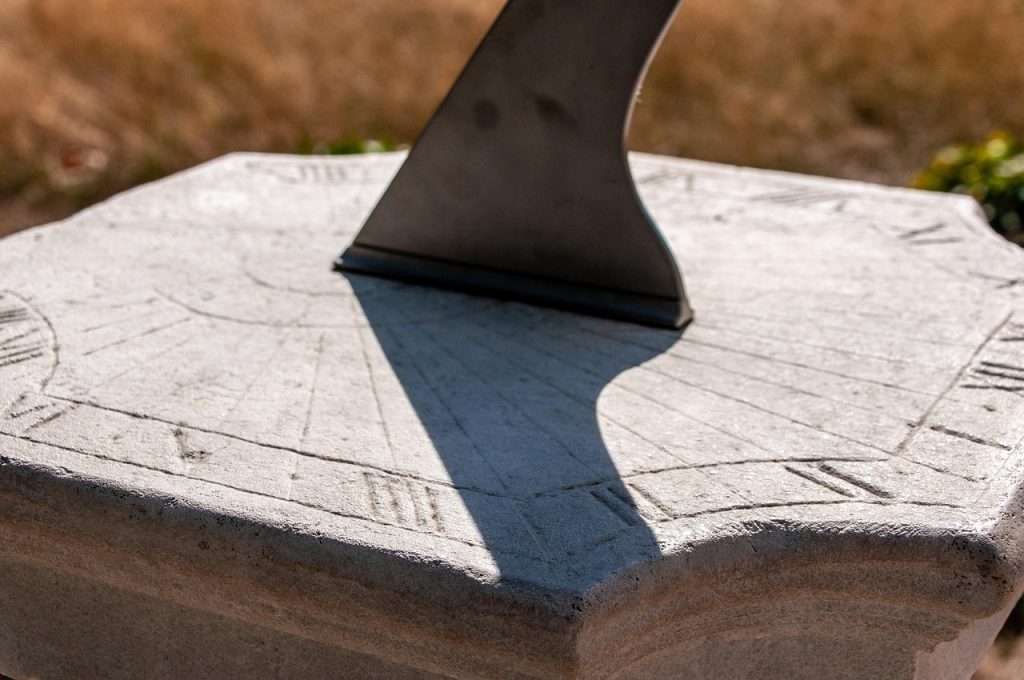
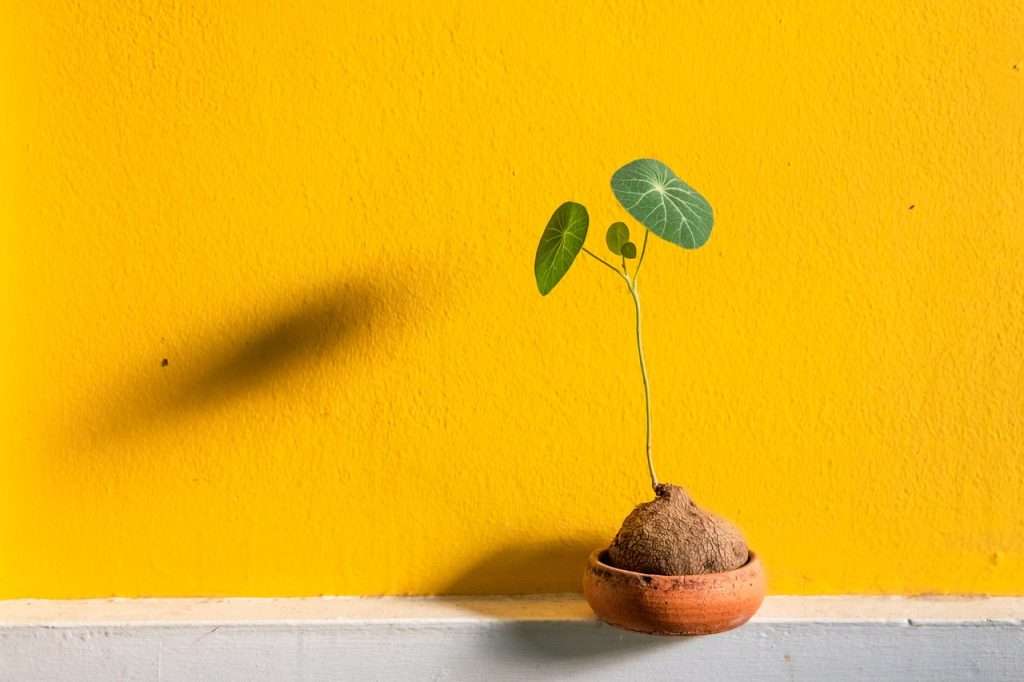
Picture a sundial on the playground, a quiet loose part that pulls in ideas like time, shadows, and the sun’s crawl across the sky. It’s not always something kids move—it is an invitation, an environmental variable they can poke at with their thoughts. Watching that shadow creep might spark questions about waiting, cycles, or stillness. Loose parts like slow don’t always demand physical interaction; they often simply sit there, ready for mental engagement.
Slow At Play



Contribute content to Playvolution HQ
Brought to you by Explorations Early Learning
Browse Trainings

Post Author

Jeff Johnson is an early learning trainer, podcaster, and author who founded Explorations Early Learning, Playvolution HQ, and Play Haven.
Leave a Reply