
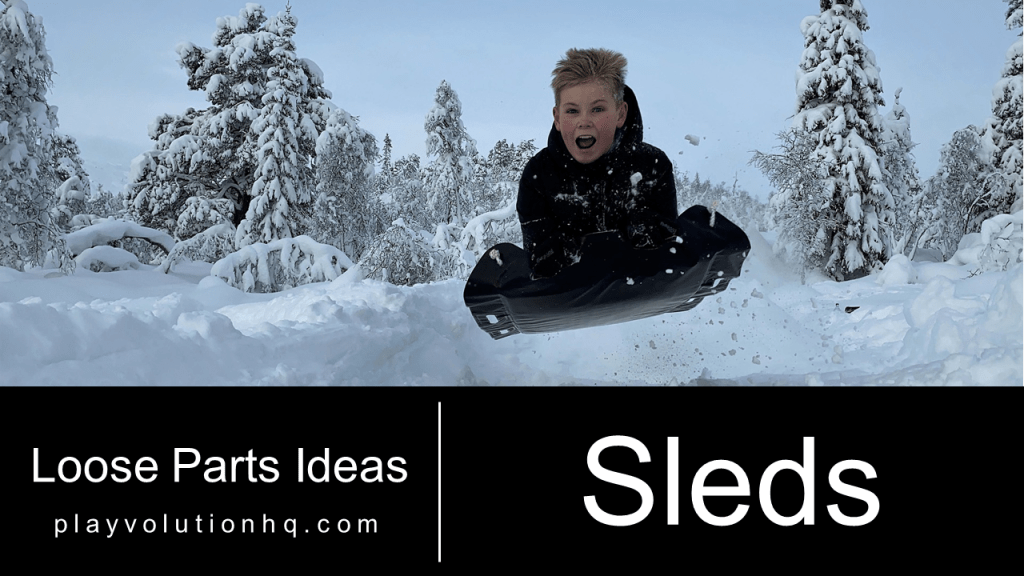
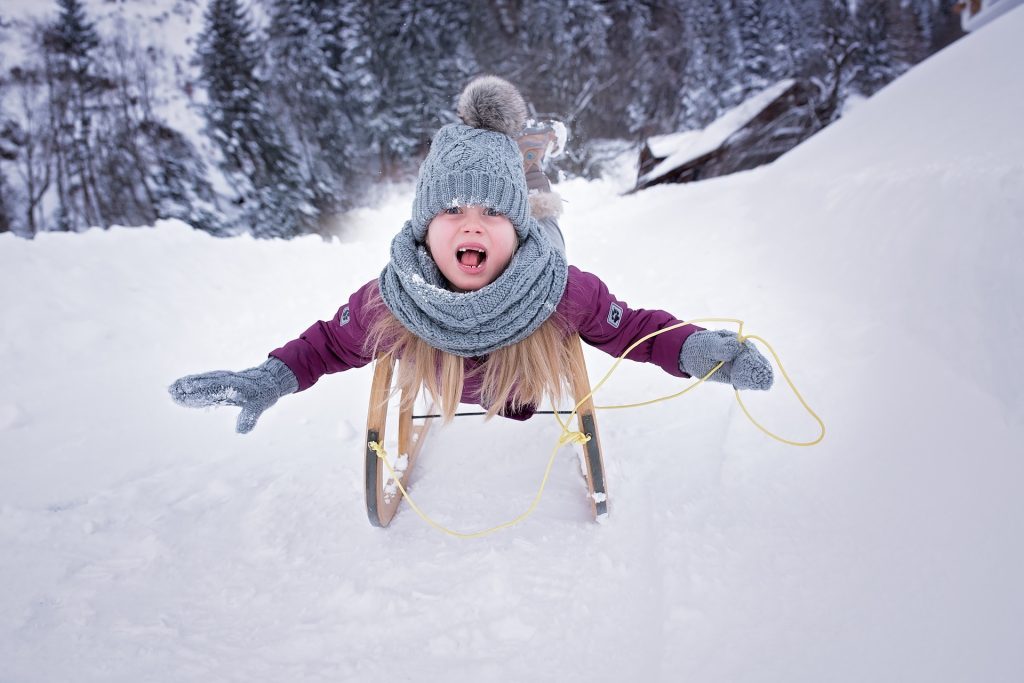
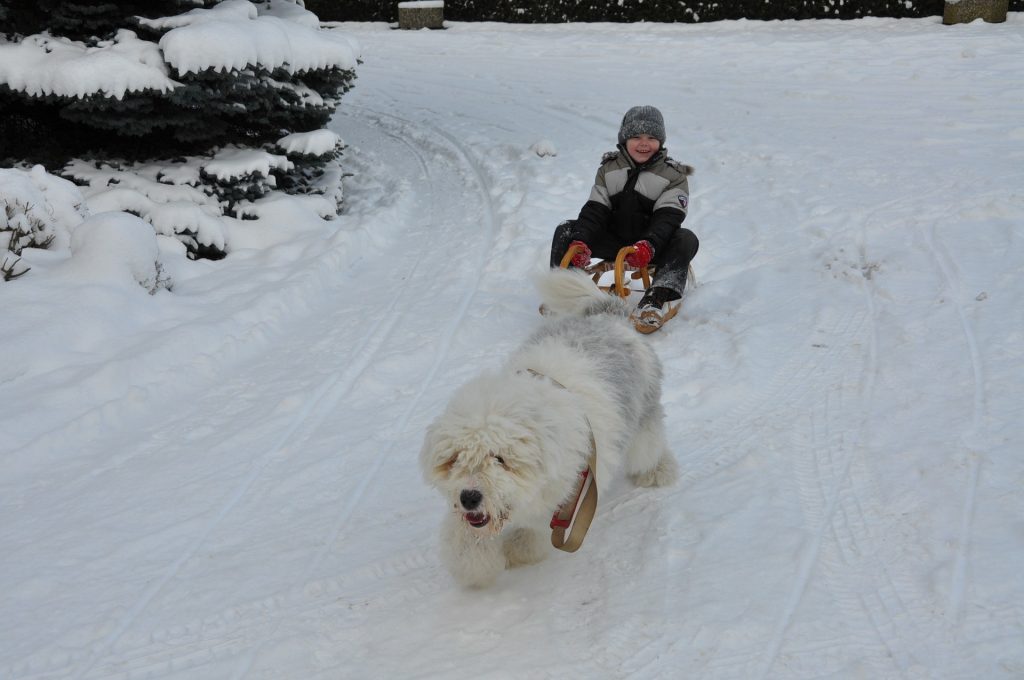
Sleds are loose parts that support heavy work and power play. They are great for building both the vestibular and proprioceptive systems.
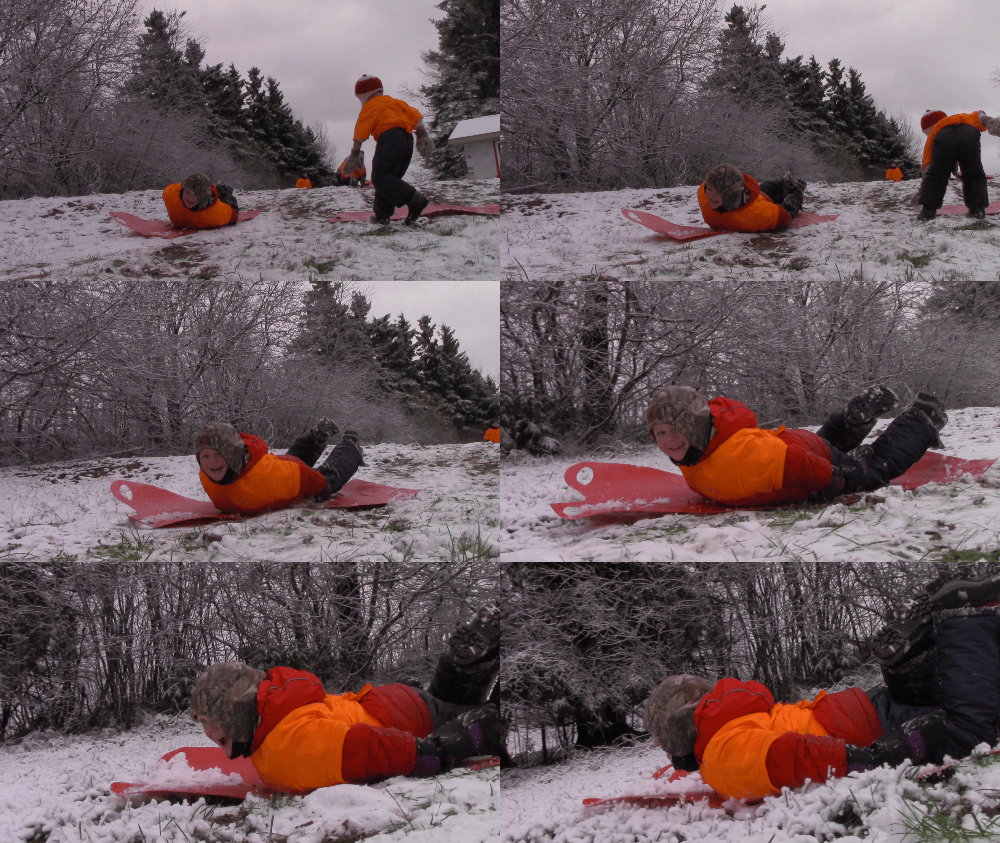
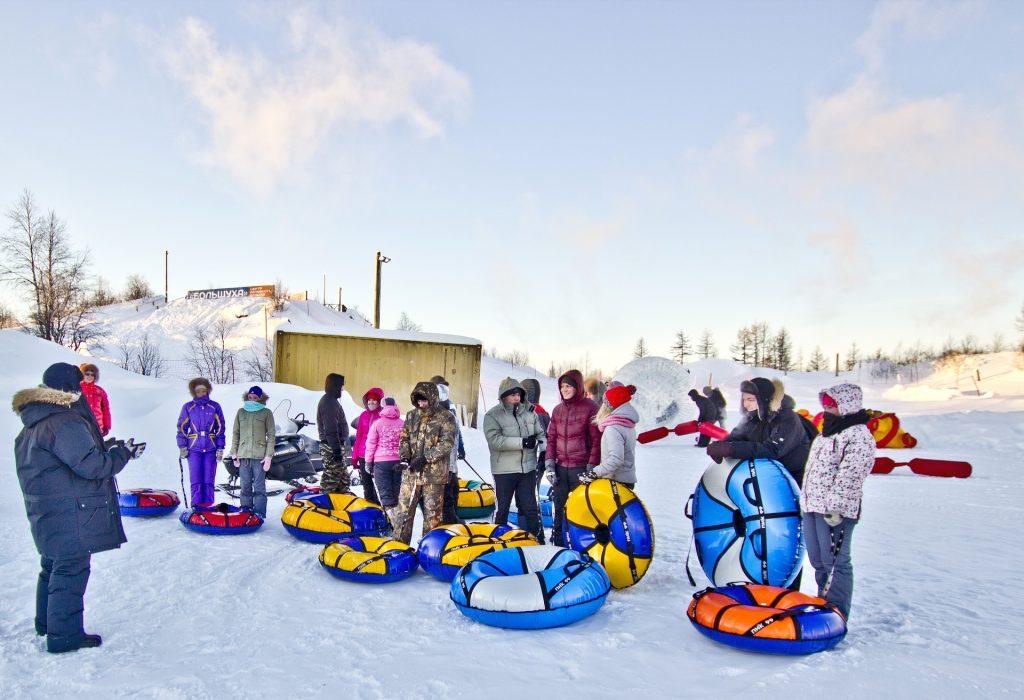
Sledding doesn’t require deep snow or a big hill. The above video was captured at Tir Na Nog Forest School in New Brunswick, Canada back in 2014. They slid until the snow melted.
Back in the day, the pack of wild children I ran around with favored a nearby alley for sledding. It was OK when the snow was fresh, but best after a bit of a melt. It turned into a sheet of ice we could barely walk up. But going down, we flew–and almost never slid into traffic.
Looking back, my sledding adventures were also full of language development and lots of social emotional practice time. We were constantly chattering–bragging, challenging each other, trash talking, questioning, arguing, planning, organizing. We created rules, organized races, planned for tomorrow. We’d sled until our toes and fingers were numb–and then a bit more.
Sleds At Play
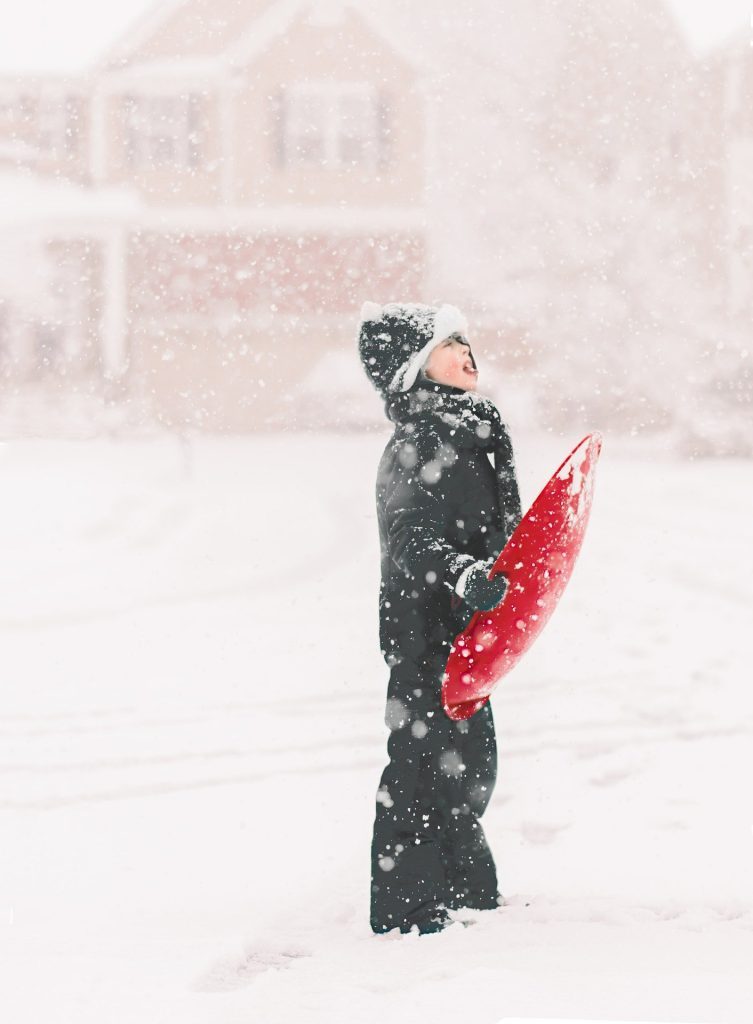
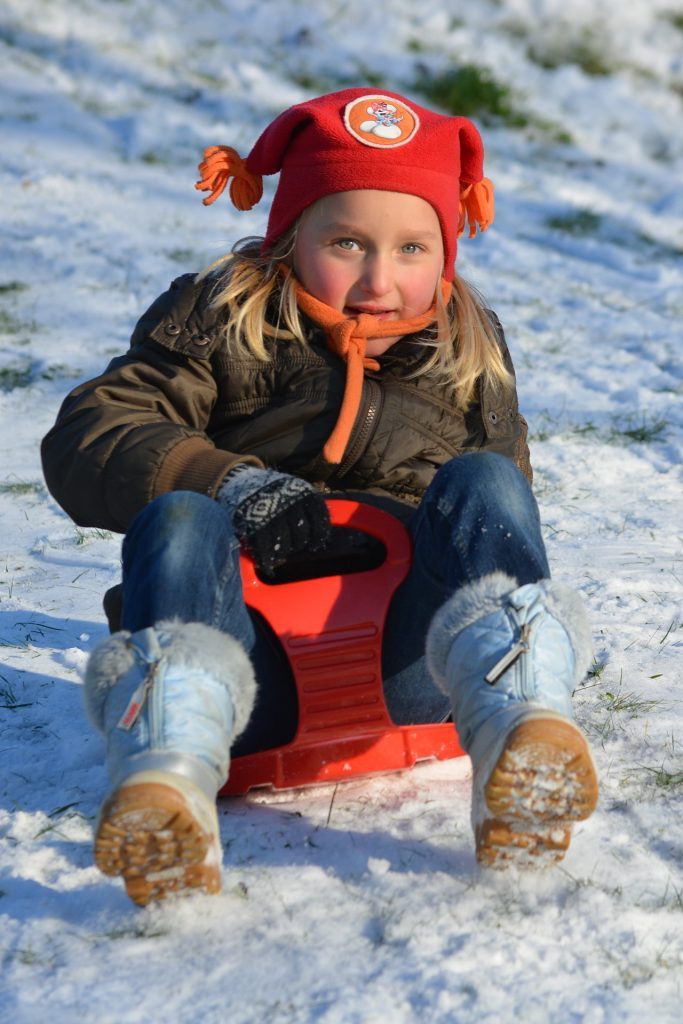
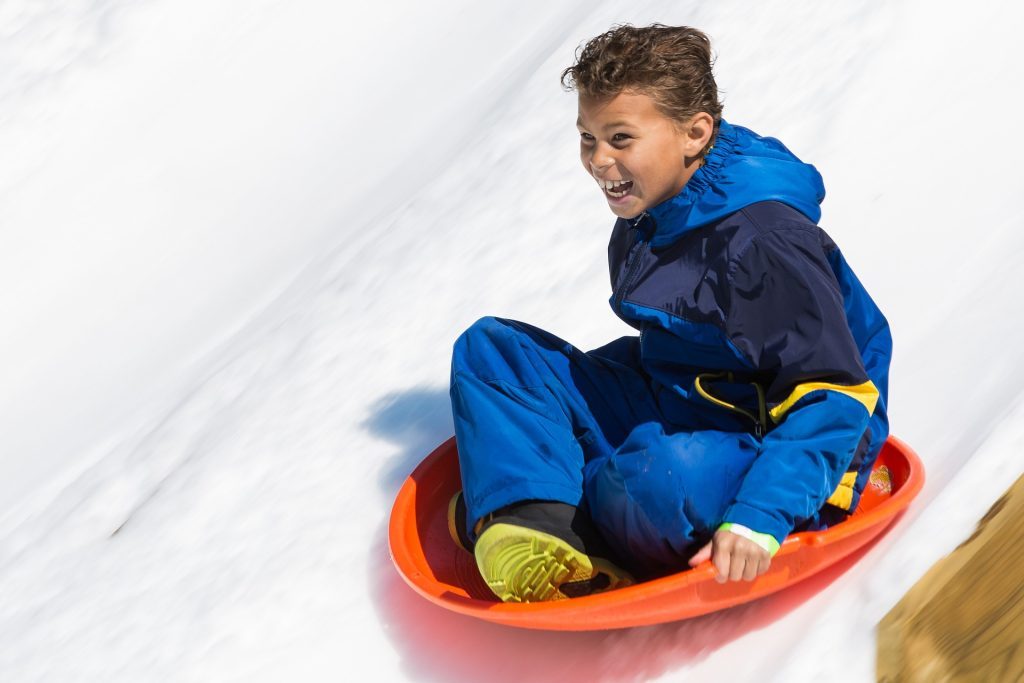
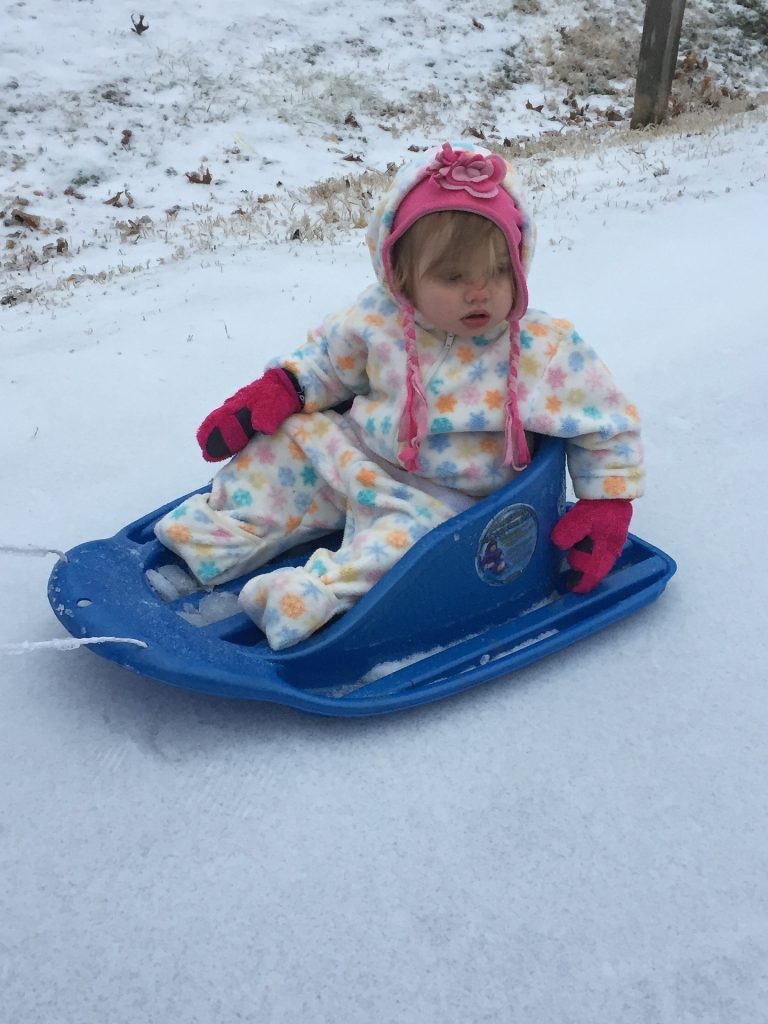
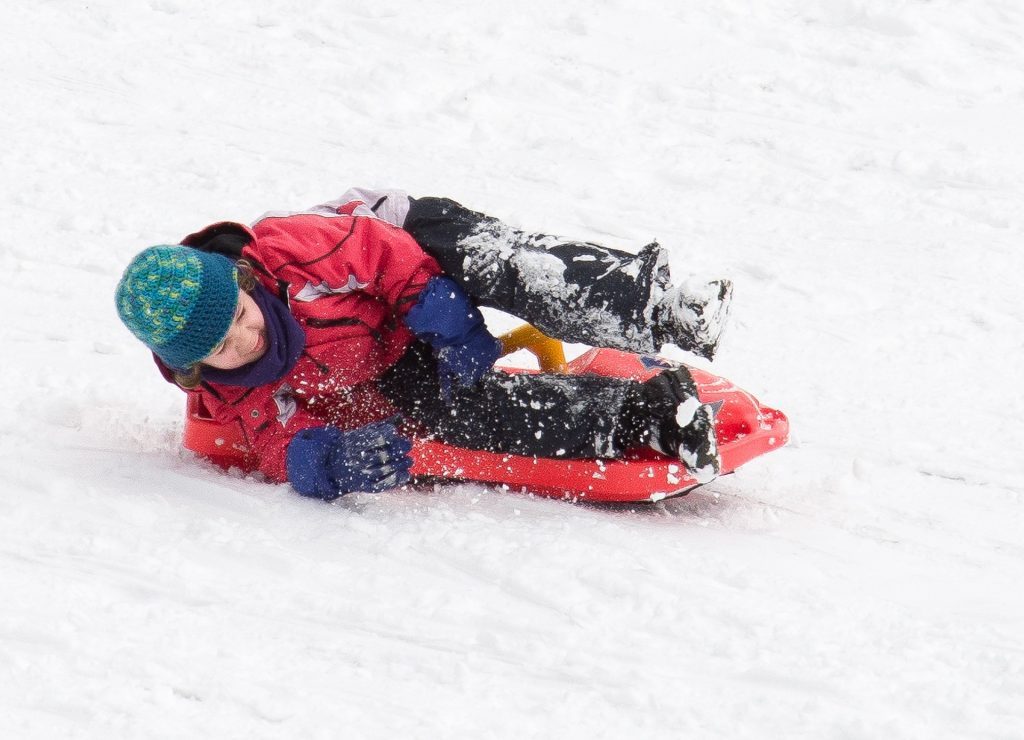
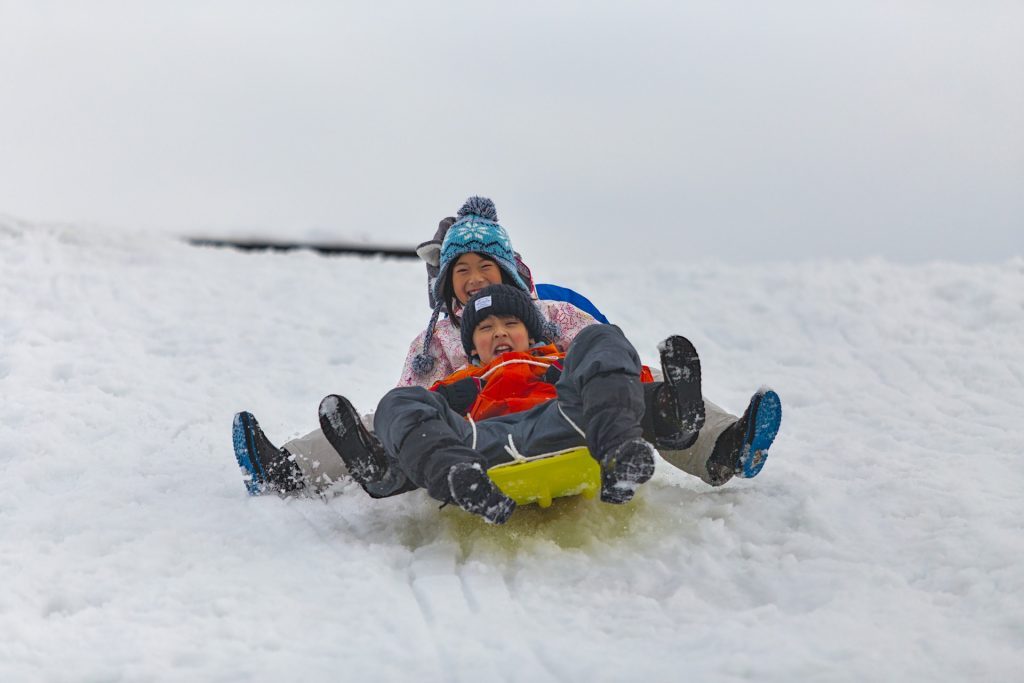
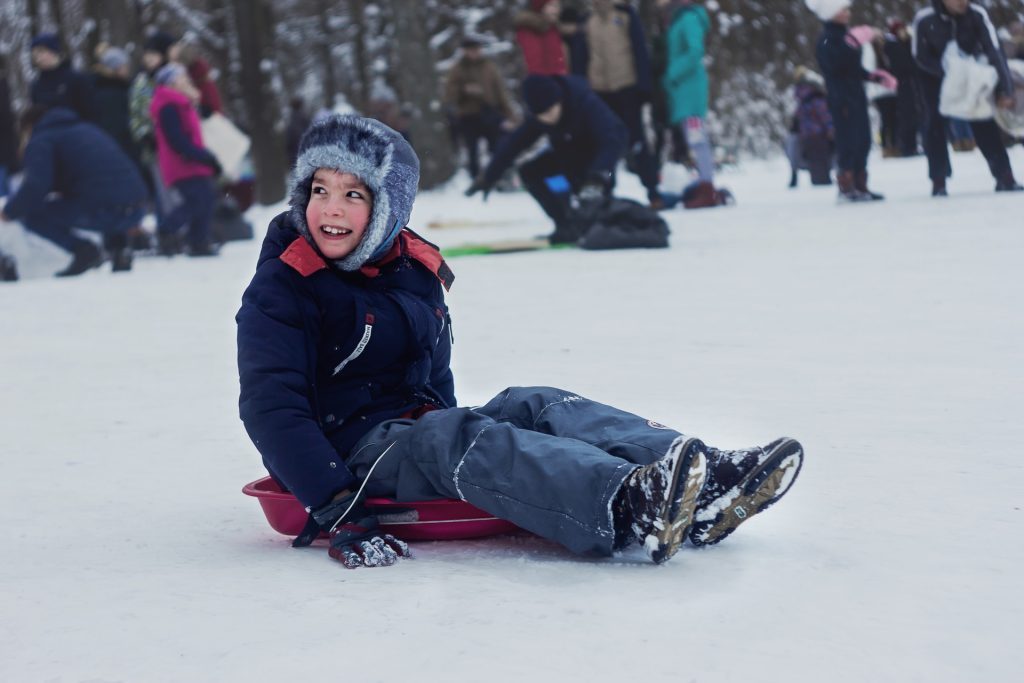
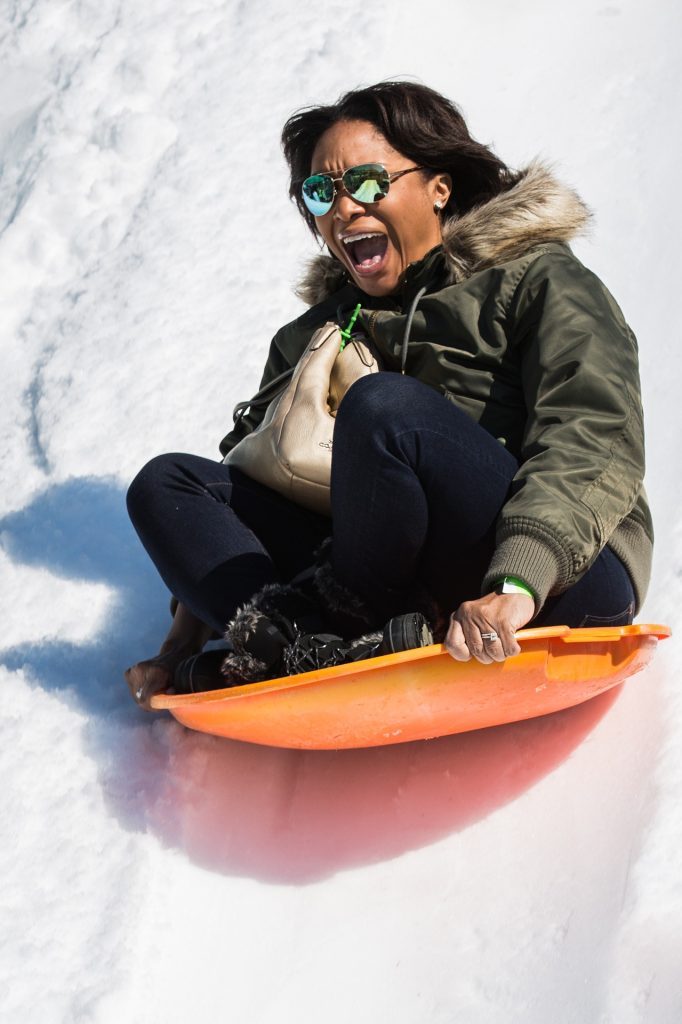
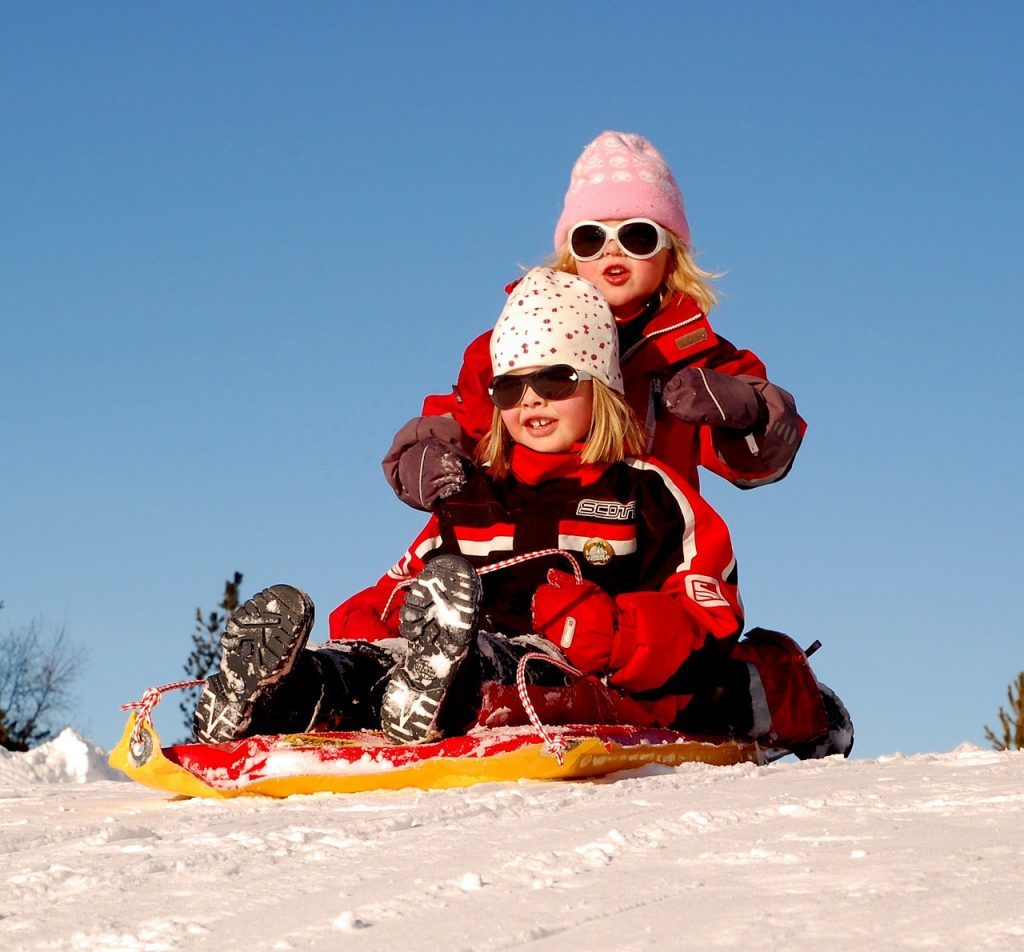
Sunglasses are not mandatory, but they do make you look cool out on the sled slopes.
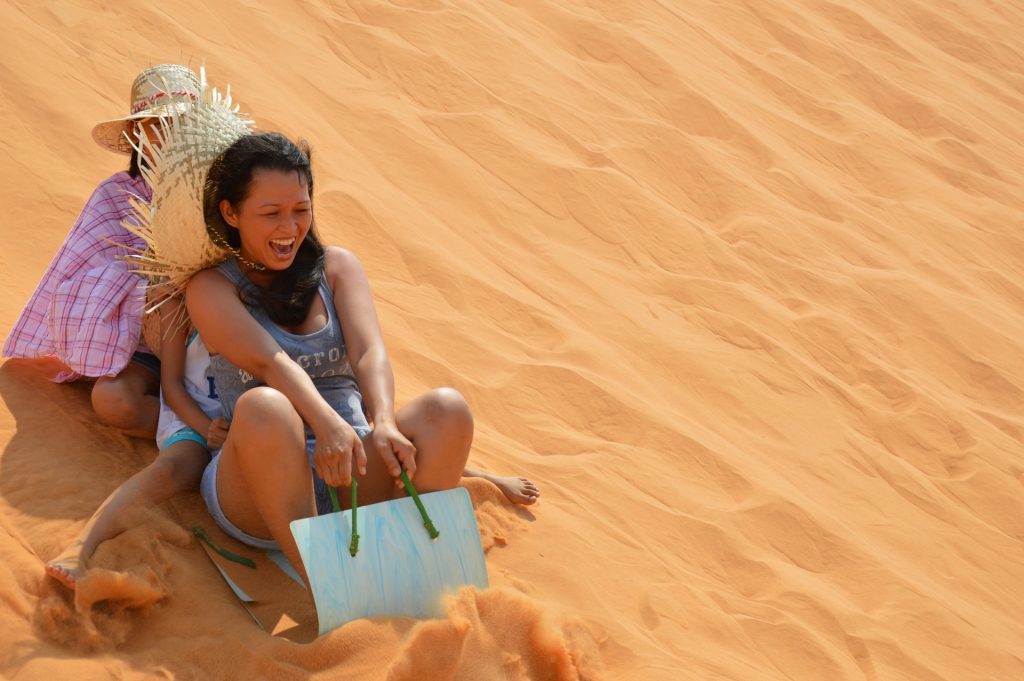
Sleds: Not Just For Winter
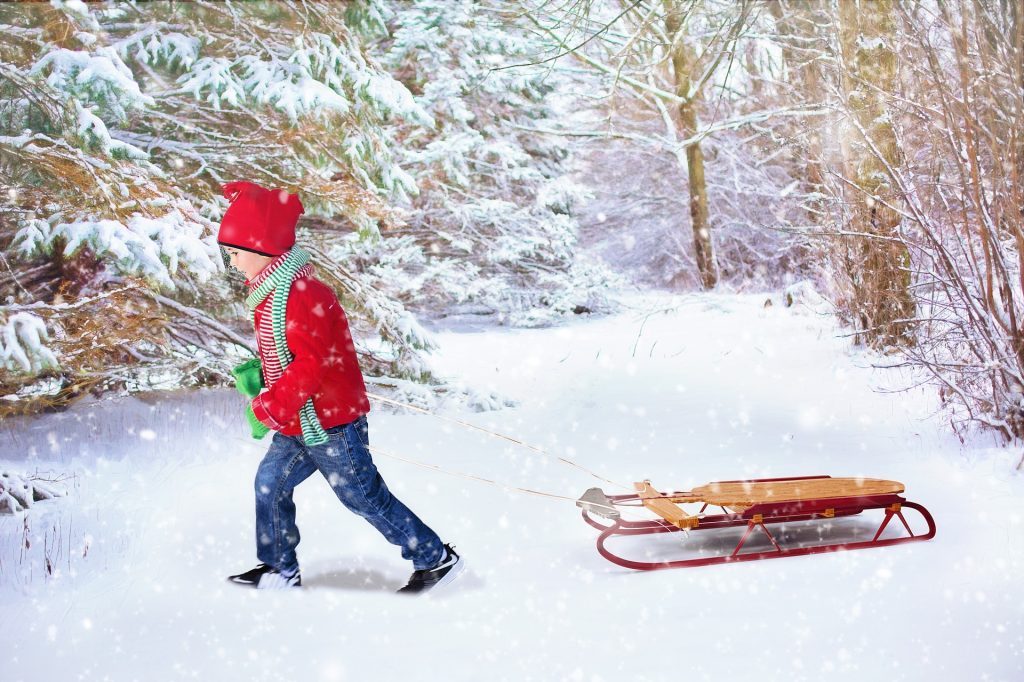
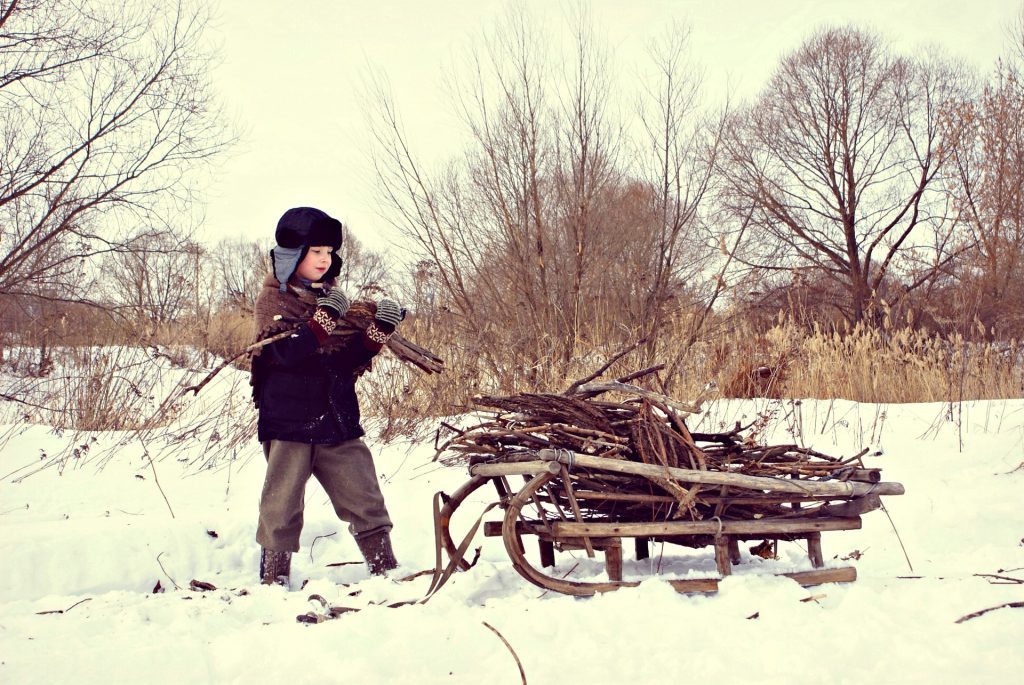
Slip sliding through snow is not all they can do. Kids can use them for hauling stuff across the playground all year long. And, if your sandbox is big enough, you can do this:
Contribute content to Playvolution HQ
Brought to you by Explorations Early Learning
Browse Trainings


Post Author

Jeff Johnson is an early learning trainer, podcaster, and author who founded Explorations Early Learning, Playvolution HQ, and Play Haven.
Leave a Reply