

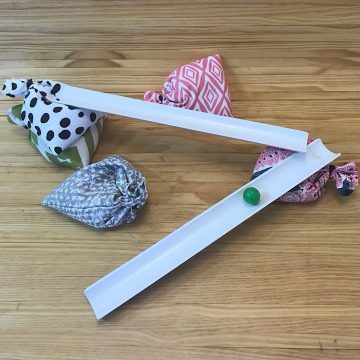
Ramps invite children to engage in hands-on experimentation as they explore concepts of gravity, momentum, and cause-and-effect relationships. By rolling balls, cars, or other objects down ramps, children can observe and manipulate variables such as incline angle and surface texture, fostering a deeper understanding of fundamental physics principles in a fun and interactive way.
Moreover, ramps as loose parts promote open-ended play and encourage creativity as children design and construct their ramp systems.
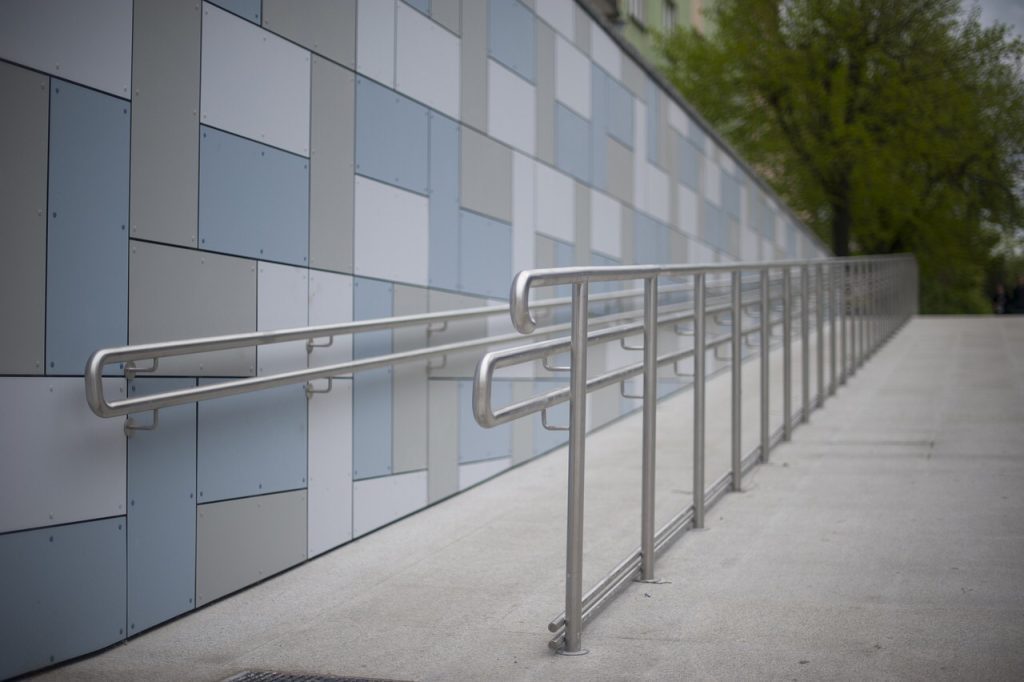
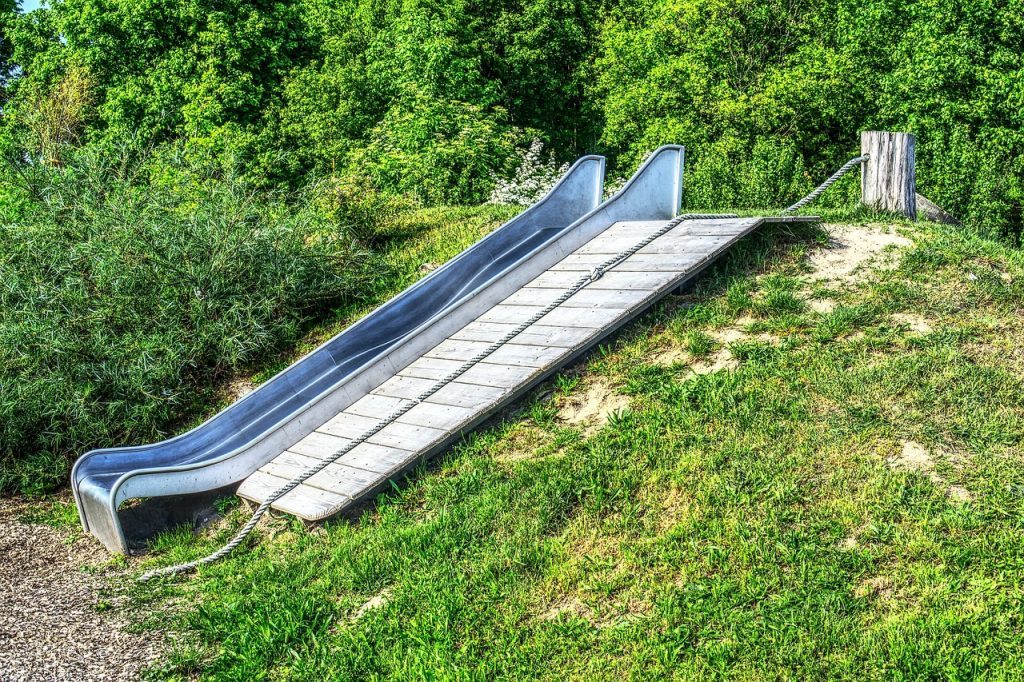
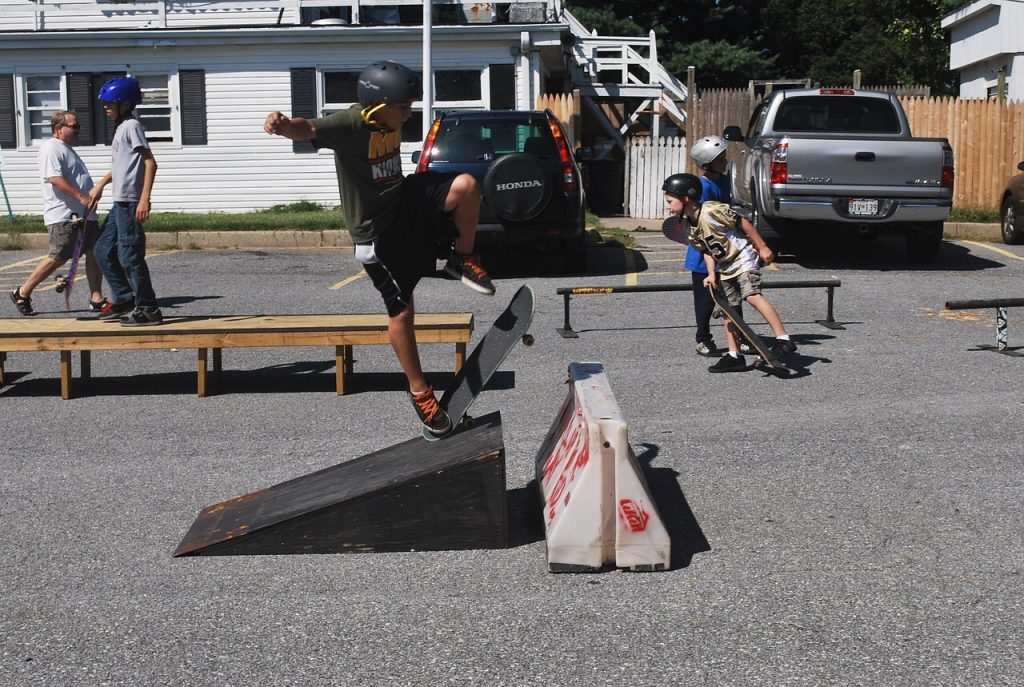
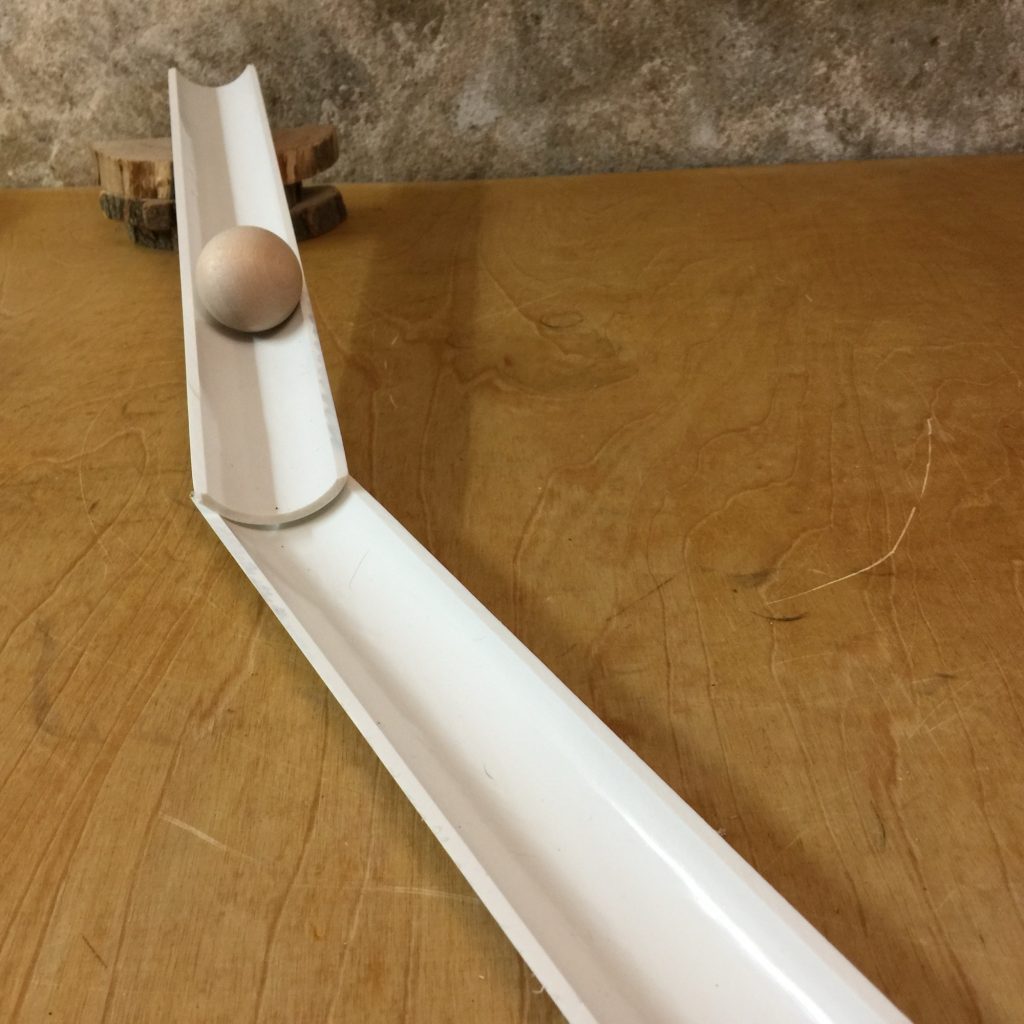
There are many options when it comes to ramp play. Children can explore with purpose-built ramps, DIY ramps made with items like cove molding or cardboard, or naturally occurring ramps like hills. 
Working collaboratively, children can experiment with different configurations and materials, problem-solving and refining their designs to achieve desired outcomes. This collaborative process not only cultivates teamwork and communication skills but also empowers children to take ownership of their play experiences, fostering a sense of agency and accomplishment.
Ramps as loose parts provide a dynamic platform for exploration, experimentation, and cooperative learning, enriching play environments with endless opportunities for discovery and creativity.
Ramps At Play



Contribute content to Playvolution HQ
Brought to you by Explorations Early Learning
Browse Trainings

Post Author

Jeff Johnson is an early learning trainer, podcaster, and author who founded Explorations Early Learning, Playvolution HQ, and Play Haven.
Leave a Reply