
About Neurogenesis
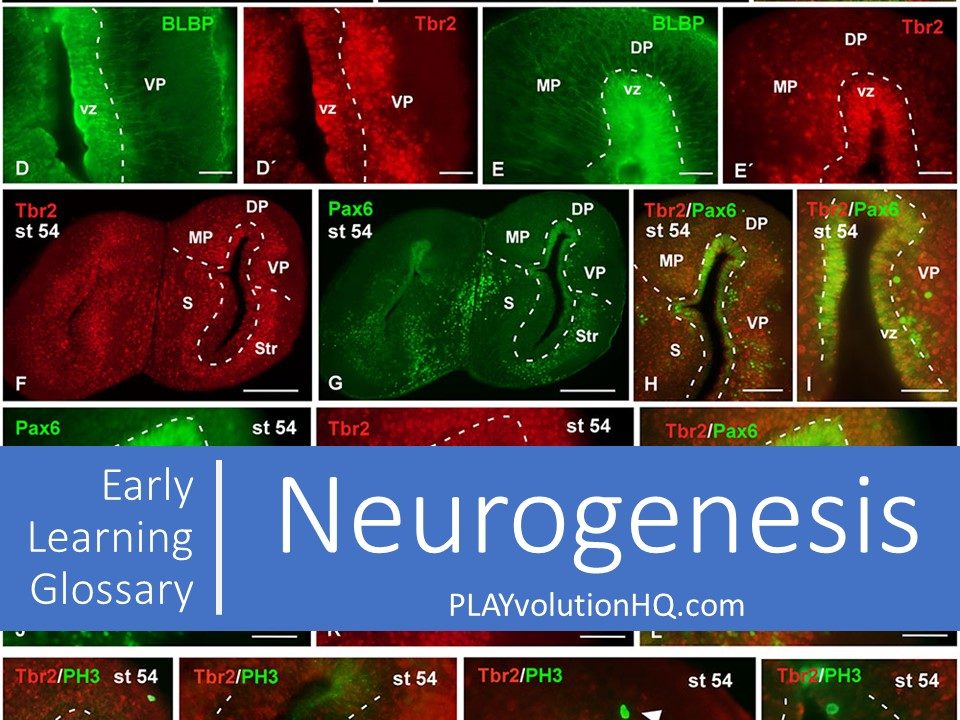
Neurogenesis is the brain’s incredible process of crafting new neurons—nerve cells that power learning, memory, and thought. It kicks into high gear before birth, building the brain’s foundation during pregnancy, but doesn’t stop there. Research reveals it continues in early childhood, especially in the hippocampus, offering a precious window for young minds to grow and adapt.
In a child’s first few years, the hippocampus hums with activity as new neurons sprout, travel, and wire into networks that boost learning and recall. Studies show this surge fades by adolescence, with most evidence pointing to minimal, if any, neuron growth in adults. Those early years are a golden opportunity—each new neuron fuels a child’s ability to soak up knowledge and shape their future.
For parents and early learning professionals, this means early experiences matter deeply. Stimulating environments—think play, exploration, and conversation—may boost neurogenesis. While the science isn’t entirely settled, the evidence points to rich, engaging settings to nurture this process.
Thoughts On This Entry?
I’d love to hear your thoughts on improving this entry and suggestions for additional glossary additions in the comments below. You can also contact me with comments or concerns.
Contribute content to Playvolution HQ
Brought to you by Explorations Early Learning
Browse Trainings

Post Author

Jeff Johnson is an early learning trainer, podcaster, and author who founded Explorations Early Learning, Playvolution HQ, and Play Haven.
Leave a Reply