

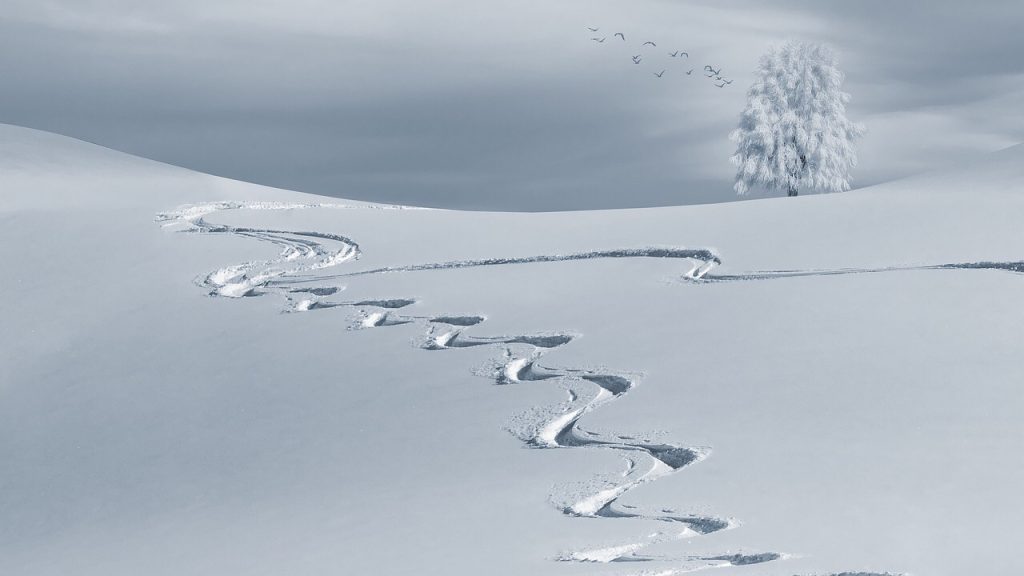
Hills as loose parts? Yes. Remember, loose parts, according to Simon Nicholson, are environmental variables with which we humans can interact. Hills are the loosest of parts, offering a dynamic and versatile play environment that contributes significantly to children’s physical, social, and cognitive development.
The changes in elevation invite children to engage in a variety of activities. Whether in a natural landscape or incorporated into a designed play space, hills provide a range of opportunities for open-ended play.
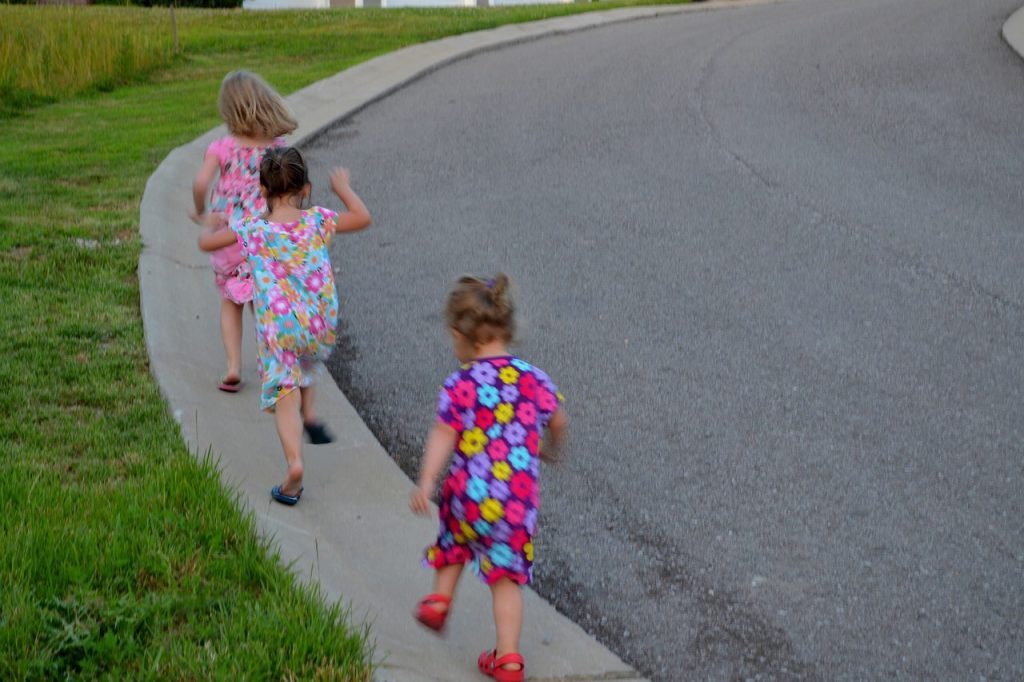
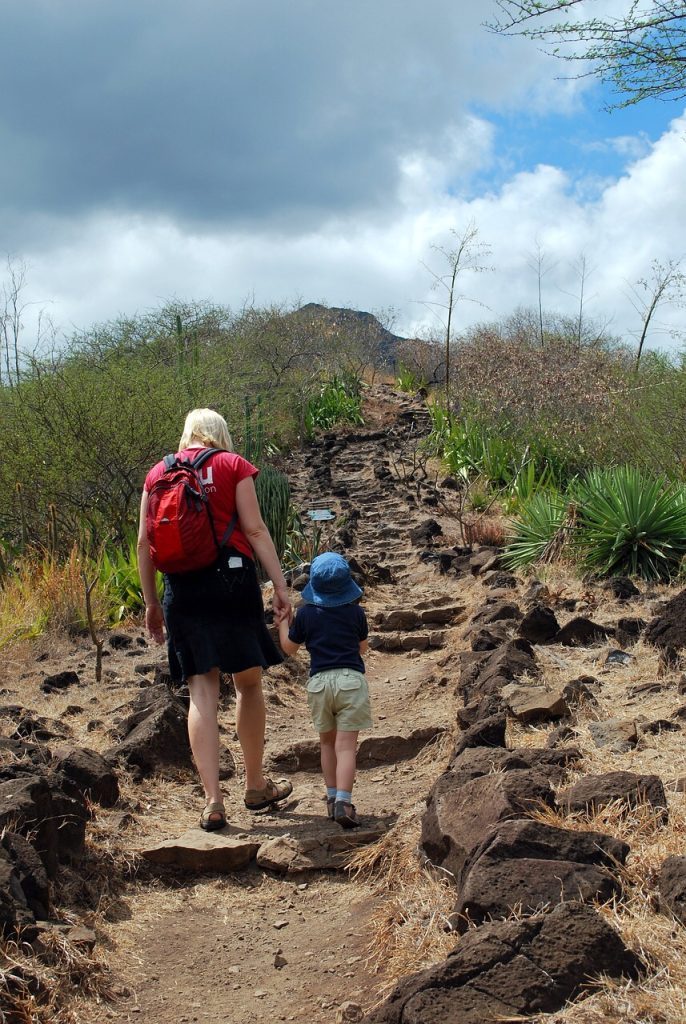
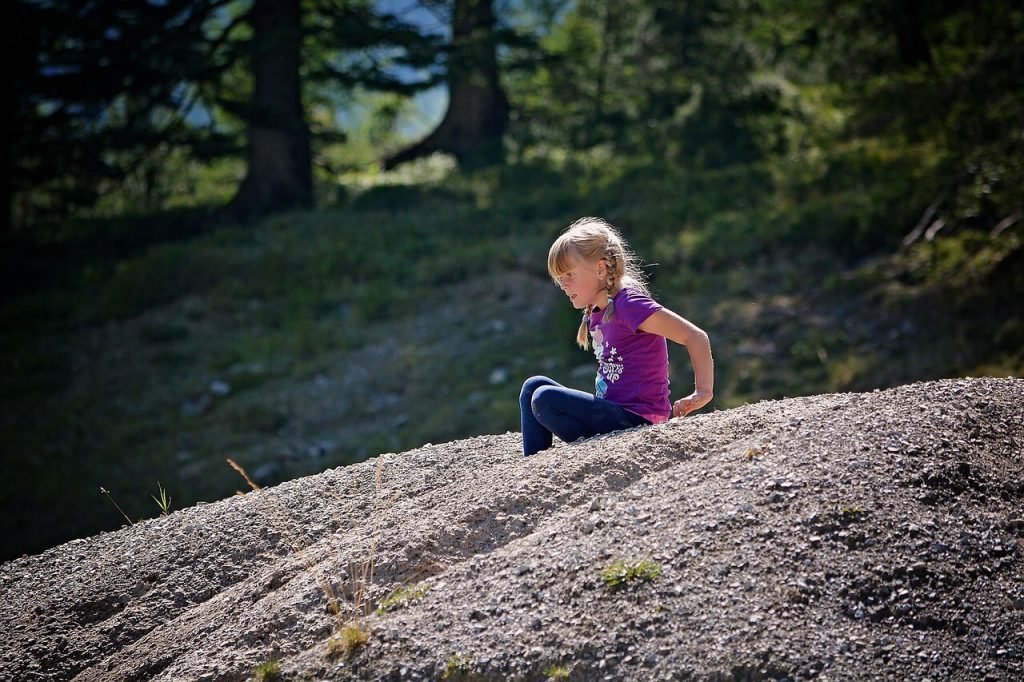
Hills challenge children. Climbing up and rolling down hills encourages balance and spatial awareness, contributing to the development of strength and agility. The dynamic nature of hill play also stimulates cardiovascular fitness. The unpredictability of the terrain encourages adaptive movement and problem-solving as children navigate the slopes, enhancing their physical capabilities in an organic and spontaneous manner.
Hills also serve as catalysts for social interaction and collaborative play. Children often come together to create games, races, or imaginative scenarios on hills, fostering teamwork and communication skills. The shared experience of conquering a hill or exploring its slopes creates a sense of camaraderie among children.
Additionally, hills provide a canvas for creative play, as children can incorporate them into storytelling, transforming the landscape into a fantastical setting for their dramatic play adventures.
Hills At Play



Contribute content to Playvolution HQ
Brought to you by Explorations Early Learning
Browse Trainings

Post Author

Jeff Johnson is an early learning trainer, podcaster, and author who founded Explorations Early Learning, Playvolution HQ, and Play Haven.
Leave a Reply