

Electricity, as a loose part in play environments, introduces an element of wonder and exploration, allowing children to delve into fundamental principles of science and technology.
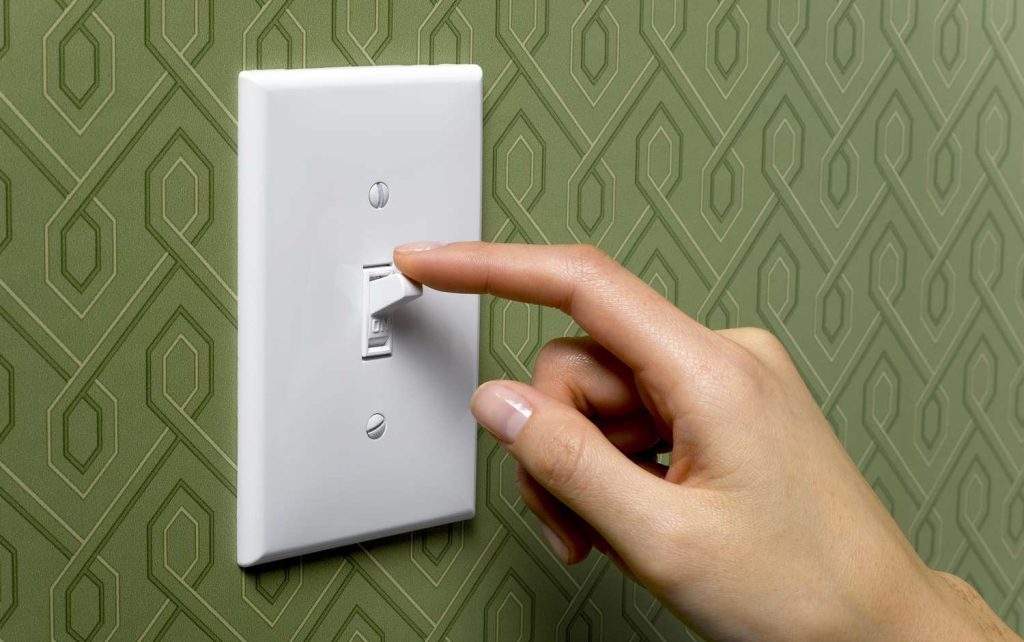
What does loose parts play with electricity look like? For toddlers, it might involve being allowed to flip the switch that controls the classroom’s lights, operate the ceiling fan’s remote control, or strum an electric guitar.
Older kids can assemble simple circuits with wires, batteries, and LED lights to create hands-on experiments, allowing them to discover the fundamental concepts of electricity in a safe and controlled setting.
Or, it might look like watching lightning flashes as an afternoon thunderstorm rumbles past.
Engagement with electrical components and concepts stimulates curiosity and provides an early introduction to STEM (science, technology, engineering, and mathematics) concepts, fostering a foundation for future learning.
While it’s crucial to prioritize safety and ensure age-appropriate materials, incorporating electricity into loose parts play offers a hands-on approach to learning that sparks interest in the sciences and lays the groundwork for future exploration in STEM fields.
Electricity At Play





Contribute content to Playvolution HQ
Brought to you by Explorations Early Learning
Browse Trainings

Post Author

Jeff Johnson is an early learning trainer, podcaster, and author who founded Explorations Early Learning, Playvolution HQ, and Play Haven.
Leave a Reply