
Table of Contents
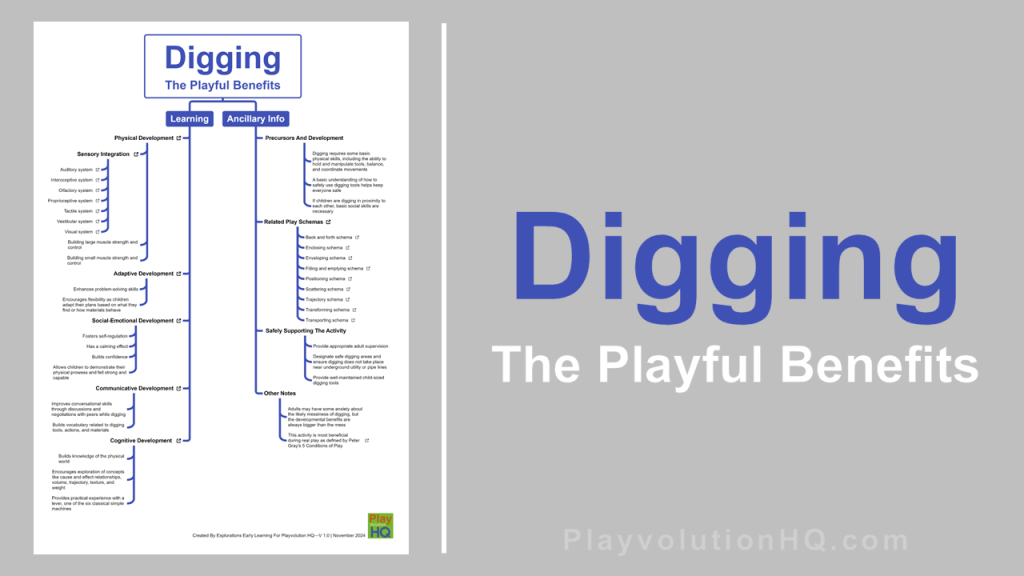
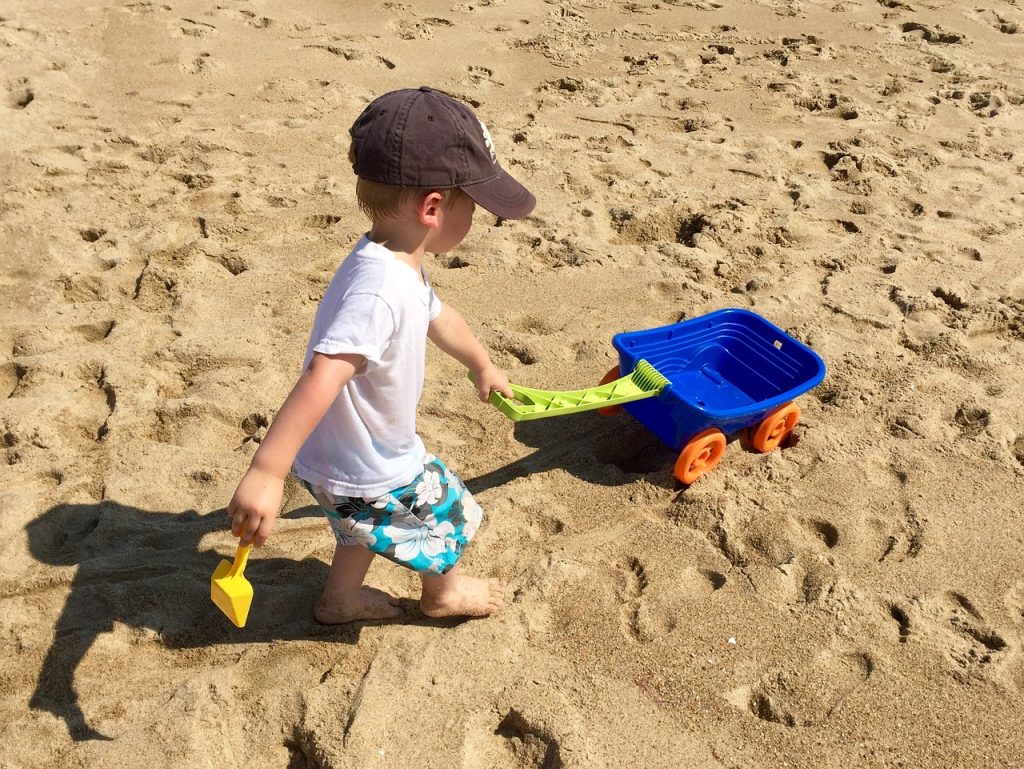
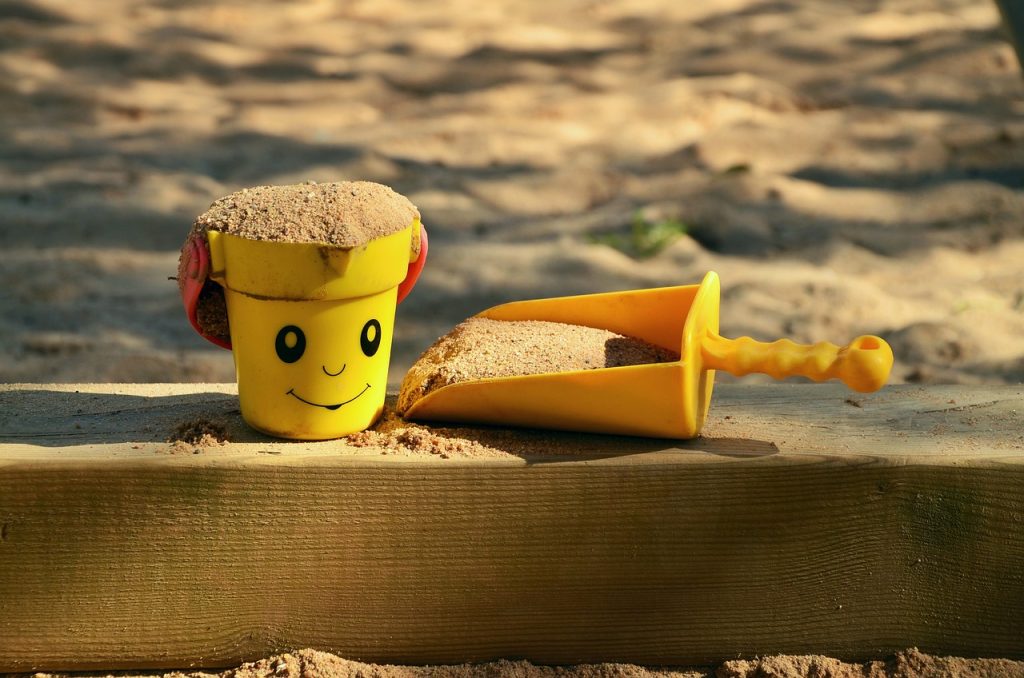
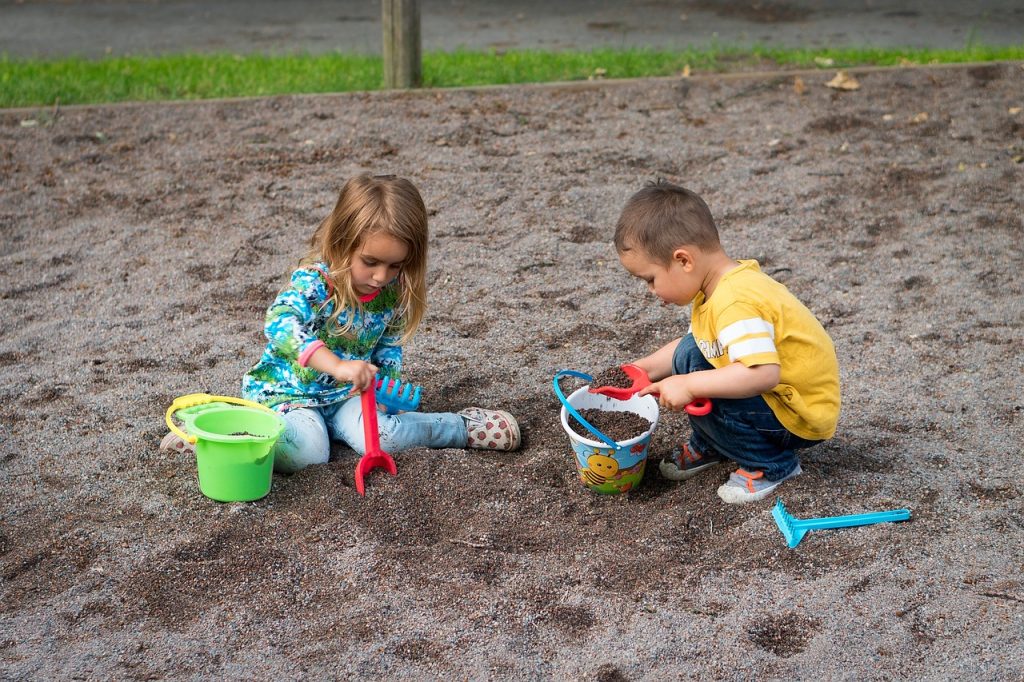
Digging is a dynamic form of play that cultivates a wealth of skills and knowledge in children, offering developmental benefits across the 5 developmental domains.
Adults often shy away from allowing kids to dig because they worry about safety and don’t want to deal with the inevitable mess. Still, with some basic planning, these annoyances can be managed.
This is the third in a series of posts highlighting the developmental benefits of everyday early learning activities.
The Digging PDF
This interactive PDF looks at the benefits of using scissors during real play.
Viewing Tips
View in full-screen mode ( ) on a non-tiny screen for best results.
The external link icons ( ) go to related Playvolution HQ resources.
Feel free to use and share this document as you see fit.
Related Images
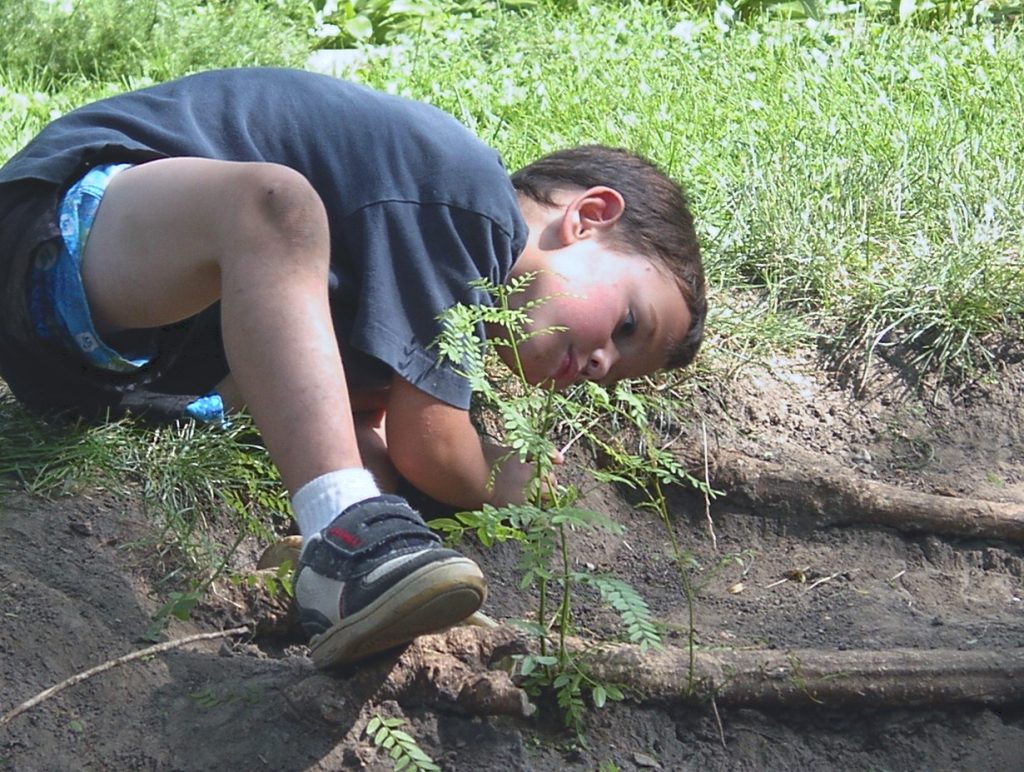
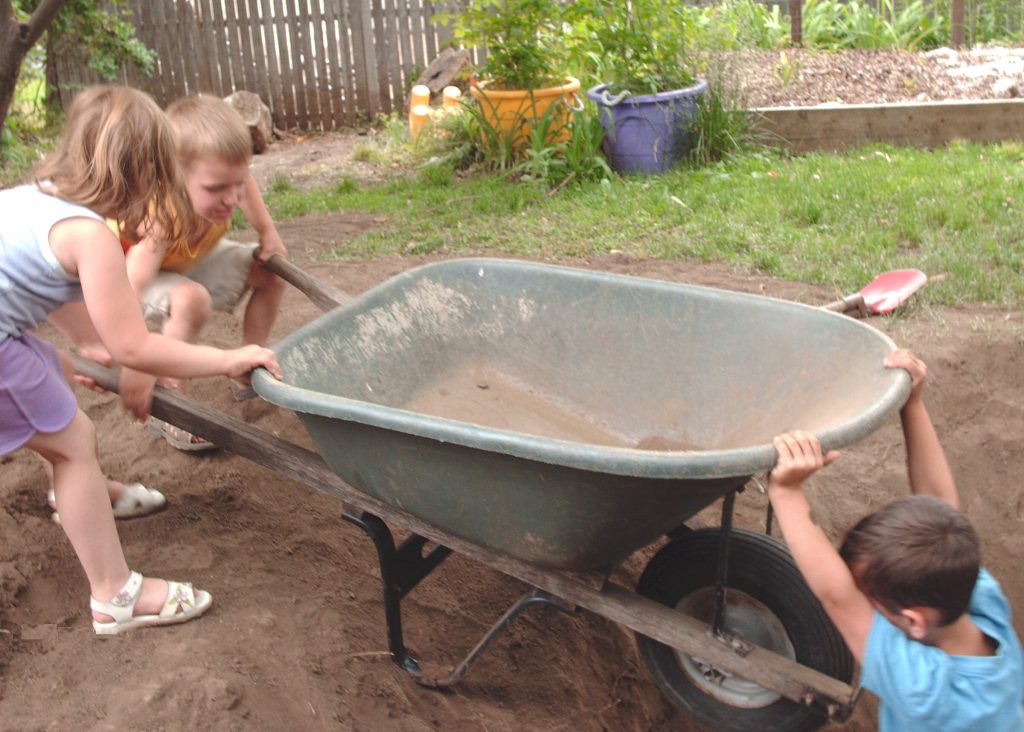
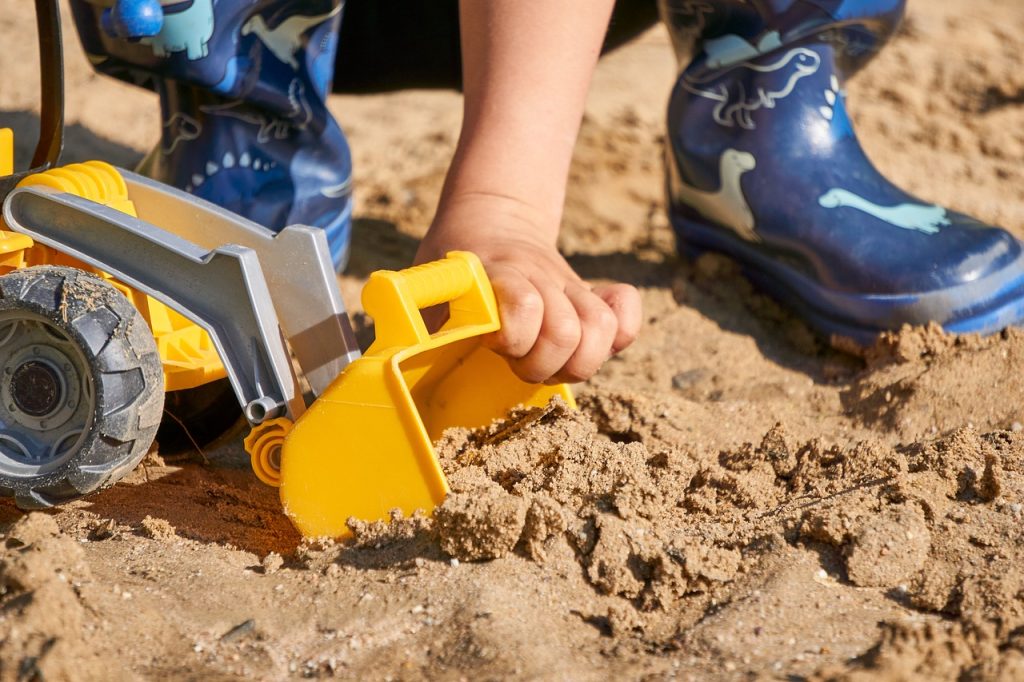
In my family child care days, we let the kids dig a hole in the yard. At its largest, it was 4.5 feet deep and 12 feet across. That hole led to all kinds of play and exploration. Everything from silently watching ants at work to actively solving the engineering problem How Do We Get The Wheelbarrow Out Of The Hole?

Wrap-Up
Children have never been more sedentary than in the first half of the 21st century. Their inactivity impacts both their physical development and mental well-being. Most kids would benefit from a little less screen time and a little more digging.
Contribute content to Playvolution HQ
Brought to you by Explorations Early Learning
Browse Trainings

Post Author

Jeff Johnson is an early learning trainer, podcaster, and author who founded Explorations Early Learning, Playvolution HQ, and Play Haven.
Leave a Reply