
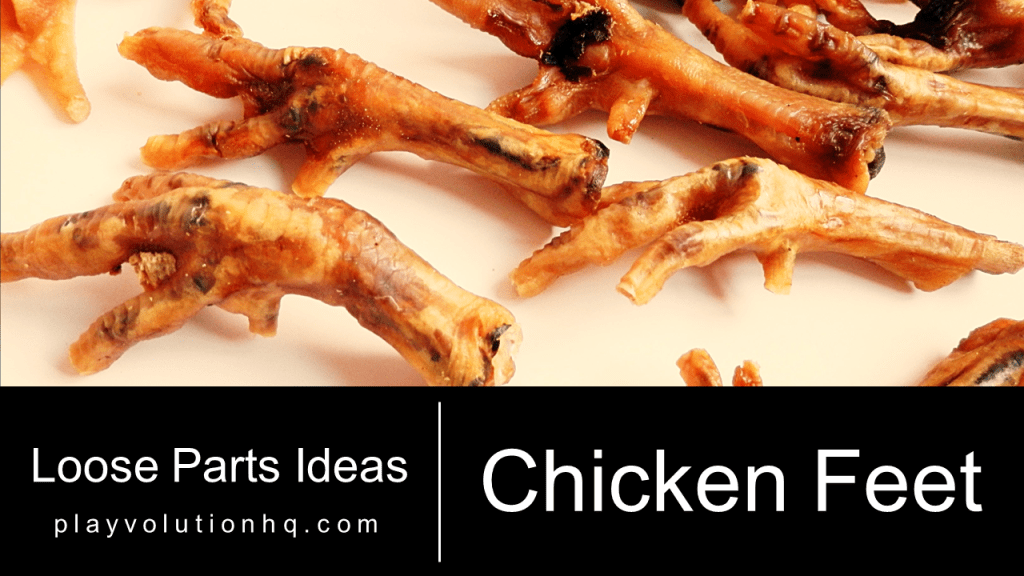
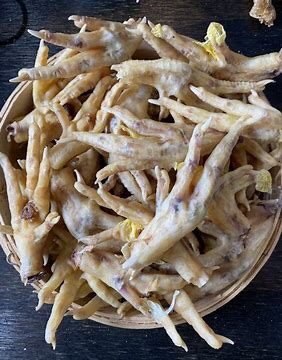
OK, some people are going to think the idea of dried chicken feet as loose parts is gross, and they have a point. On the other hand, chicken feet are interesting if you set aside your squeamishness and give them half a chance. After all, loose parts are variables in the environment that encourage engagement, and chicken feet will surely do that.
I first encountered chicken feet as loose parts back in my family child care days when a box full of them showed up at my doorstep. An attendee at one of my trainings sent them as a surprise. And surprised I was.
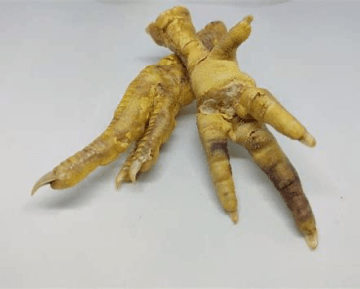
They were fresh. She had shipped them frozen in a tiny styrofoam cooler. The kids found them very interesting. I placed them in a dry location with good air circulation and let them dry out. The children were very interested in that process, too. They would check on them every day sometimes multiple times a day.
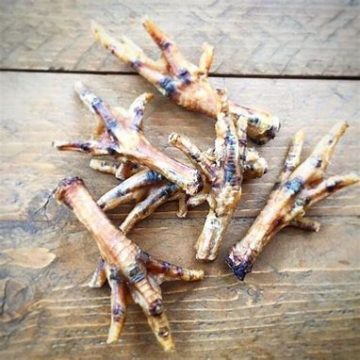
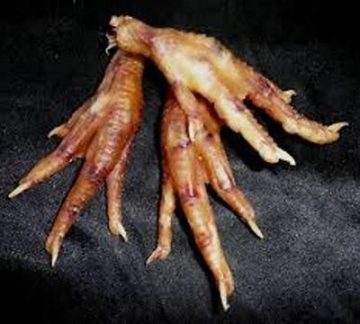
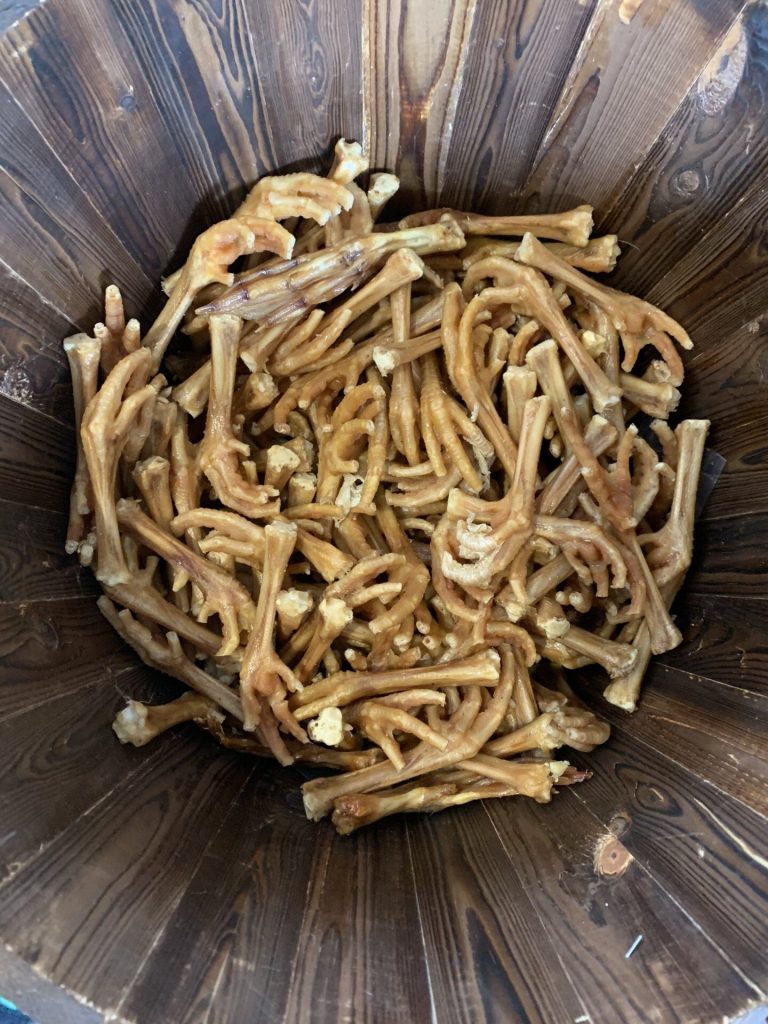
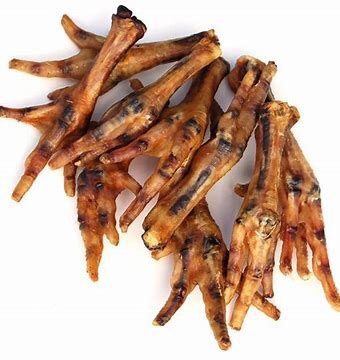
Once dried, the chicken feet spent most of their time on our shelf of oddities with my collection of skulls, bones, dead things in jars, and other odds and ends we found interesting. They’d come down periodically for play, exploration, and observation.
If you’re looking for dried chicken feet to add to your collection of loose parts and don’t know some with a flock of hens they intend to butcher, here’s a tip: they sell chicken as dog treats online, so all you have to do is order.
Chicken Feet At Play
Contribute content to Playvolution HQ
Brought to you by Explorations Early Learning
Browse Trainings

Post Author

Jeff Johnson is an early learning trainer, podcaster, and author who founded Explorations Early Learning, Playvolution HQ, and Play Haven.
Leave a Reply