
Abstract
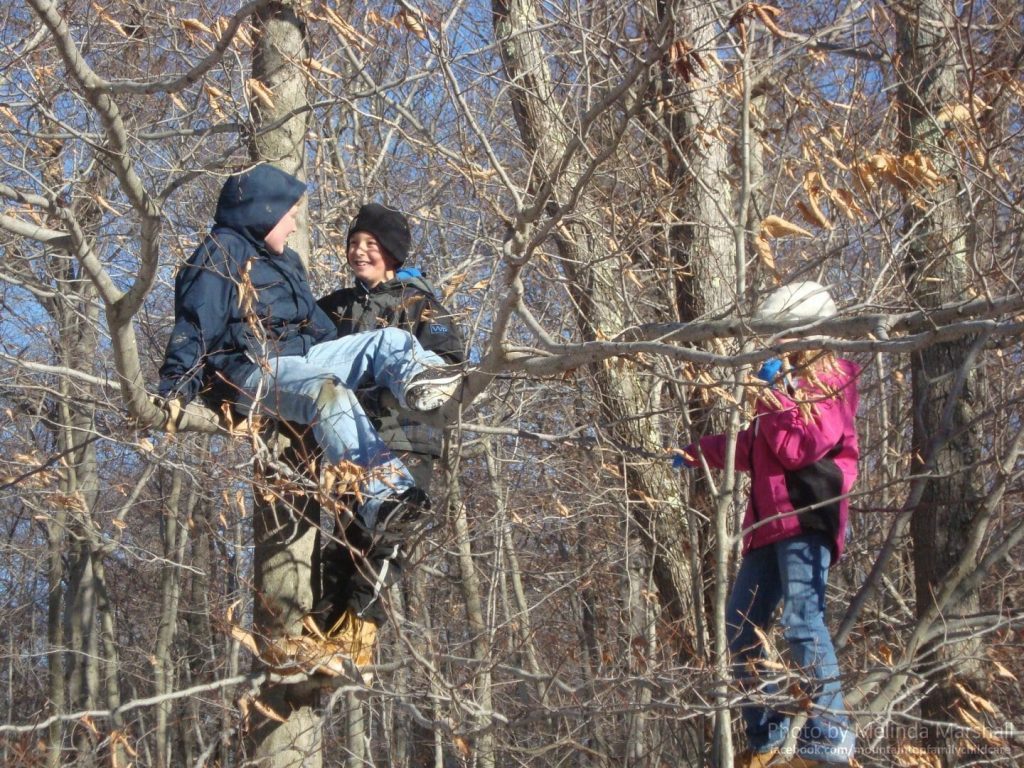
Categorising risky play—How can we identify risk-taking in children’s play?. European Early Childhood Education Research Journal – EUR EARLY CHILD EDUC RES J. 15. 237-252. 10.1080/13502930701321733. There is a growing debate on the balance between making sure our children are safe versus letting the children play in physically and emotionally stimulating and challenging environments. The focus is now on children’s right to do risky play. There are no studies categorising risky play. The present study has aimed to do this. Qualitative observations of 38 children and semi-structured interviews with 8 children and 7 employees from two Norwegian preschools gave 6 categories of risky play: 1) Play with great heights; 2) Play with high speed; 3) Play with harmful tools; 4) Play near dangerous elements; 5) Rough-and-tumble play; and 6) Play where the children can ‘disappear’/get lost. The reliability of the analysed categories was tested through a second opinion made by an experienced preschool teacher, who has long and varied experience with children’s play in preschools.
Citation
Sandseter, Ellen Beate Hansen. (2007).
Post Author

Jeff Johnson is an early learning trainer, podcaster, and author who founded Explorations Early Learning, Playvolution HQ, and Play Haven.
Leave a Reply