

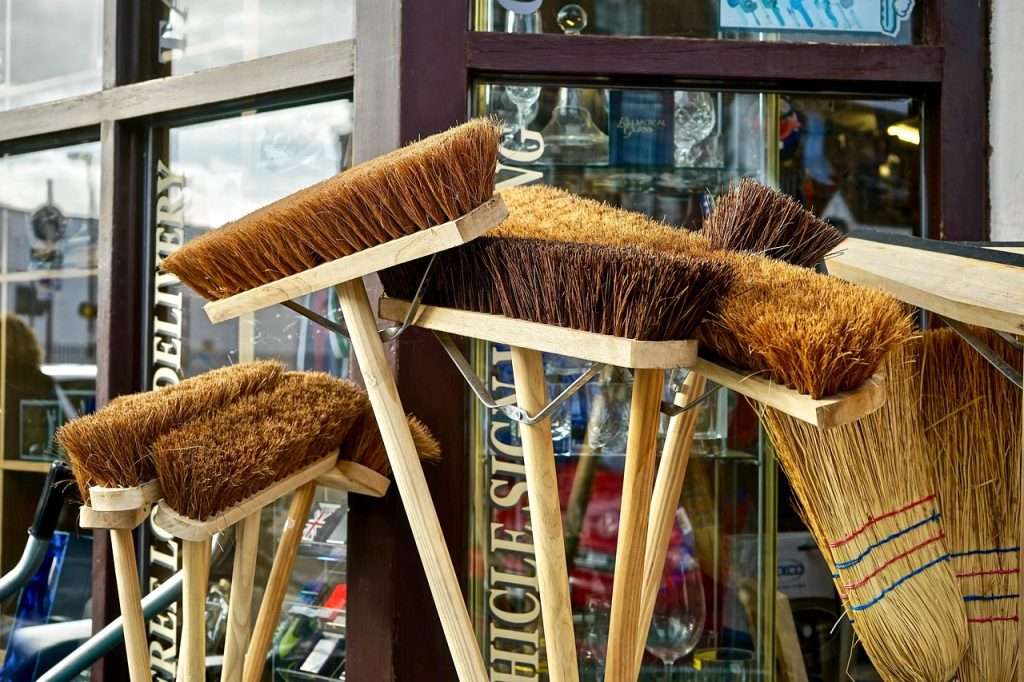
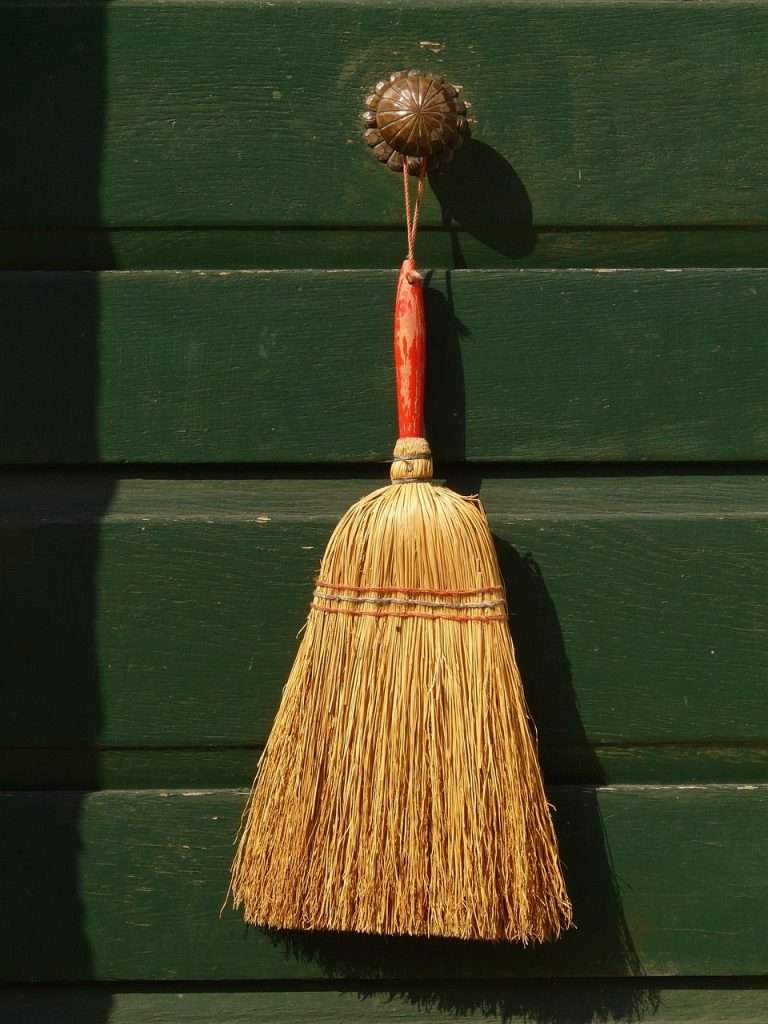
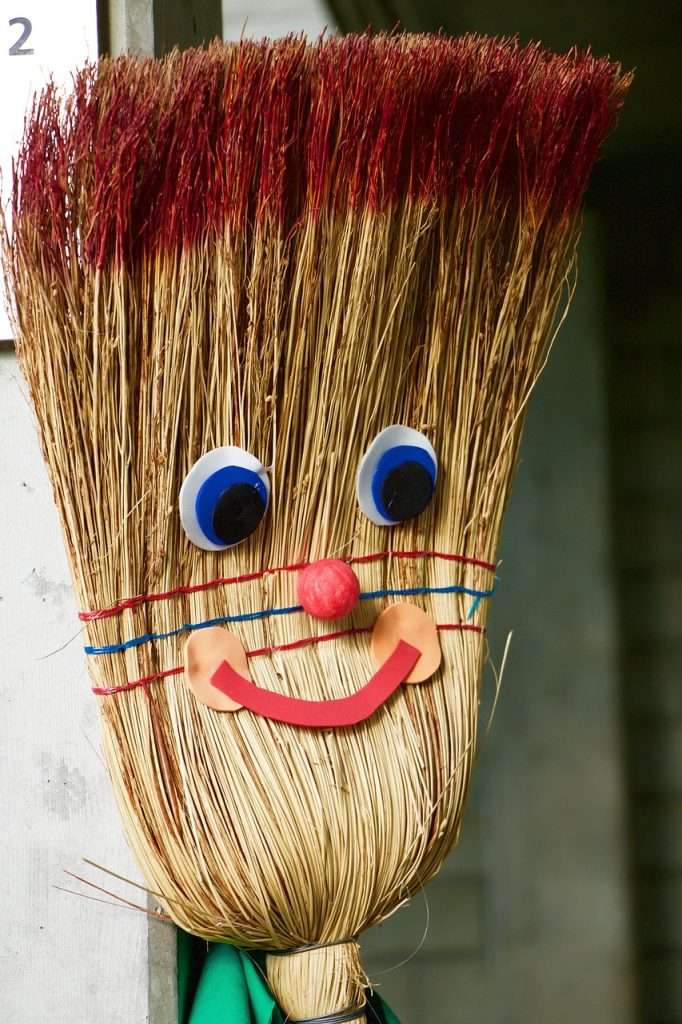
Brooms become versatile tools for imaginative play and exploration when introduced as loose parts. Children might sweep the ground to create patterns in the dirt, transforming a simple chore into a canvas for creativity. They could also use the broom as a pretend horse, galloping through an imaginary landscape, or as a staff in a magical adventure. This open-ended play encourages problem-solving and storytelling skills, as kids invent scenarios and adapt the broom to fit their narrative, fostering physical coordination and cognitive flexibility.
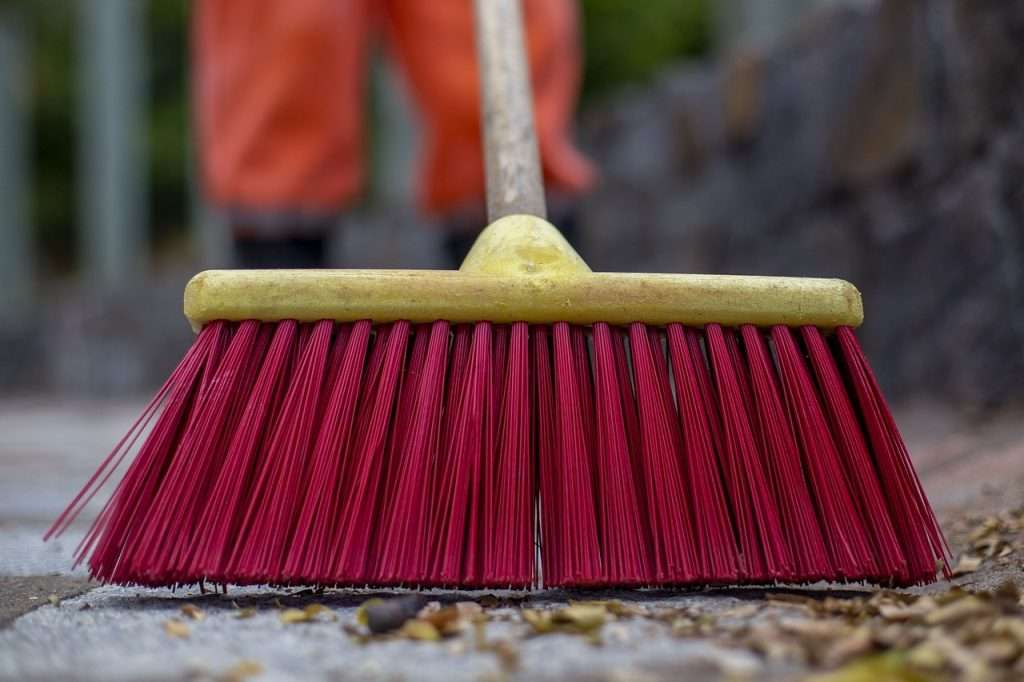
Beyond pretend play, brooms offer opportunities for practical learning and sensory engagement. A child might experiment with sweeping different materials— sand, leaves, or small pebbles—noticing how the broom interacts with each texture and weight. This hands-on experience builds an understanding of cause and effect and basic physics concepts like force and resistance.
Collaborative tasks, like working together to clean a play area, nurture social skills such as communication and teamwork. Plus, learning to use this tool in the early years enhances adaptive development, giving children a helpful life skill.
Brooms At Play


Contribute content to Playvolution HQ
Brought to you by Explorations Early Learning
Browse Trainings

Post Author

Jeff Johnson is an early learning trainer, podcaster, and author who founded Explorations Early Learning, Playvolution HQ, and Play Haven.
Leave a Reply